Seoul to Busan by KTX: The Complete Guide (Tickets, Time & Tips, 2026)
🔗 Some links on this site are affiliate links. If you book through them, we may earn a small commission at no extra cost to you. We only recommend services we believe are genuinely useful for train travel in Korea.
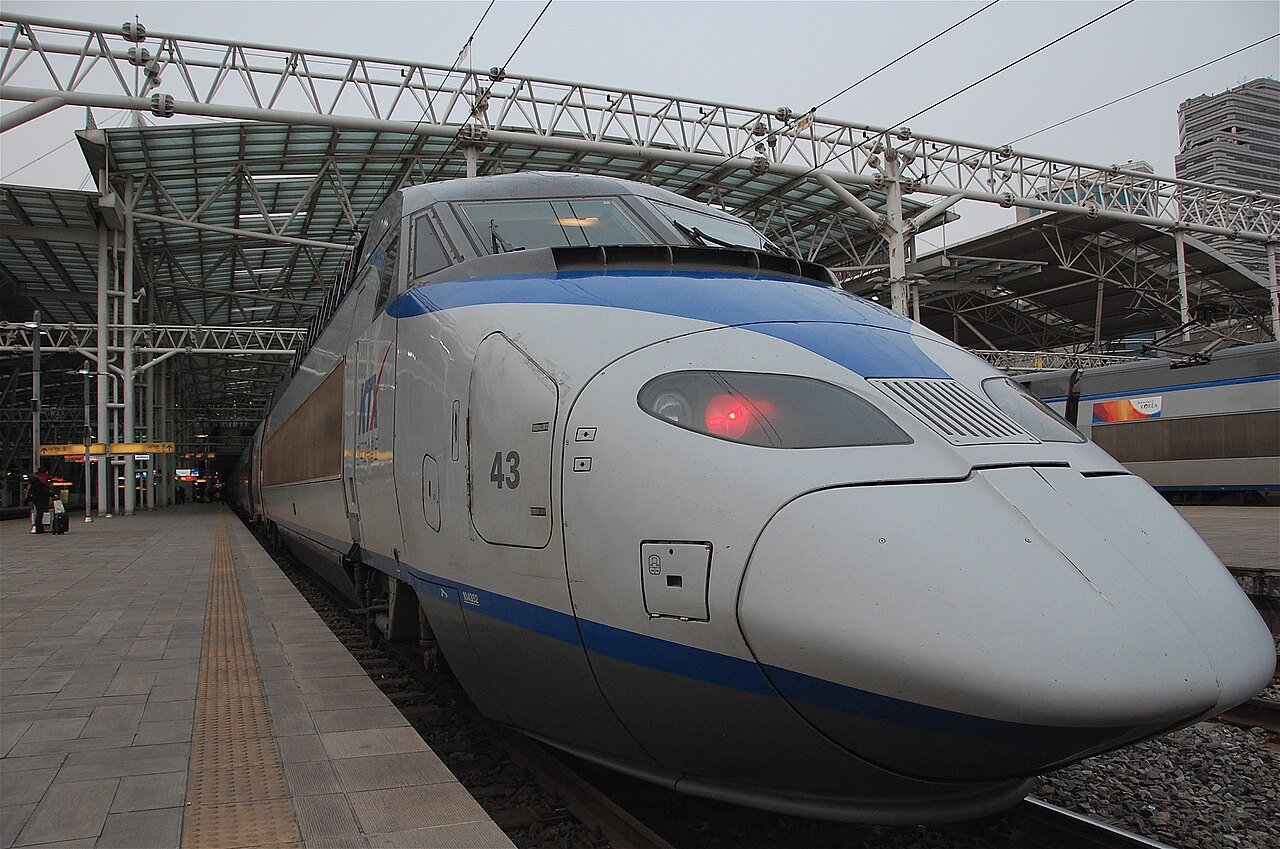
Seoul to Busan is the train ride almost every visitor to Korea ends up taking — and honestly, it’s a small highlight in itself. The KTX — Korea’s bullet train — covers the entire length of the country, about 420 km (260 miles), in roughly two and a half hours: city centre to city centre, no airport transfers, no baggage carousel, no traffic.
It’s also the route where first-timers hit every classic snag at once: five different ways to go south, a booking app that quietly rejects foreign cards, and a tourist pass that’s sometimes a great deal and sometimes a waste of money. This guide walks through all of it — what it costs, how to book without tears, what the ride is actually like, and what to do the moment you step off in Busan.
Seoul to Busan at a glance
| Journey time | fastest services about 2 h 15 m; most trains 2 h 30 m – 2 h 50 m |
| Standard fare | about ₩53,900 (about US$41) one-way |
| First class | about ₩78,400 |
| Departs from | Seoul Station or Yongsan (Suseo also serves Busan) |
| Arrives at | Busan Station, right in the city centre |
| Frequency | every 10–25 minutes for most of the day |
| First / last train | just after 5 a.m. / around 10:50 p.m. |
| Booking window | opens about 30 days before travel |
Timetables shift a little with each schedule update, so check the Korail site or app for your exact date. Fares wobble by a few hundred won between services — trains that detour via Suwon or add a Seodaegu stop come out slightly cheaper — but they are regulated, not demand-driven, which makes them refreshingly boring. More on that in a minute.
Five ways to get to Busan (and which one to pick)
| Option | Time | Cost | Leaves from |
|---|---|---|---|
| KTX | ~2 h 30 m | ₩53,900 | Seoul Station |
| From Suseo | ~2 h 30 m | about ₩52,600 | Suseo Station (southeast Seoul) |
| ITX-Saemaeul / Mugunghwa | 4.5–5.5 h | ₩28,600–42,600 | Seoul / Yongsan |
| Express bus | 4–4.5 h (traffic permitting) | ₩23,000–40,000 | Express Bus Terminal |
| Flight to Gimhae | ~1 h in the air, 3.5–4 h door to door | varies | Gimpo Airport |
The short version: take the KTX unless you’re staying in southern Seoul. It leaves from Seoul Station — central, on two subway lines, impossible to miss — and runs all day long.
Busan is also served from Suseo Station in the city’s southeast — until this year that was the separate SRT, but since 1 September 2026 those trains run as KTX-Sancheon under Korail and show up in the same search. The ride is just as fast and the fare is a touch lower (the distance is slightly shorter). Staying in Gangnam or Jamsil? Suseo is genuinely the smarter departure. Staying near the classic tourist neighbourhoods (Myeongdong, Hongdae, Insadong)? The cross-town trek eats the difference. Full comparison in our KTX vs SRT guide.
The slower trains are lovely if the journey itself is the point — half the price, twice the time. The express bus is the budget pick, and Korea’s premium buses (1+2 reclining seats) are genuinely comfortable. And flying? By the time you’ve reached Gimpo, cleared security, and collected your bag in Busan, the KTX passenger who left at the same time is already eating milmyeon downtown.
What tickets cost (and why booking early doesn’t save money)

A standard one-way ticket is ₩53,900; first class is about ₩78,400. Kids under six ride free on a lap, and ages six to twelve pay half fare.
Here’s the part that surprises travellers used to airlines: KTX fares don’t move. Korail doesn’t do dynamic pricing — the ticket costs the same whether you book 30 days ahead or 30 minutes before departure. What disappears isn’t the cheap fare; it’s the seats. So “book early” in Korea means booking for availability, not price. A Tuesday-morning train can be bought on the spot; a Friday-evening one cannot. One exception worth knowing: Korail discounts a limited block of seats on quieter departures through its online special fare — how that works.
Is first class worth the extra ₩23,900? You get 2+1 seating instead of 2+2, noticeably more space, and a bottle of water with a small snack. On a packed Friday evening it’s a calm little bubble — and it sometimes still has seats when standard class is sold out, which is honestly how most travellers end up there. On a quiet weekday, save the money.
If everything sells out, standing tickets are offered at a small discount. Two and a half hours by the doors isn’t glamorous, but it beats not getting home.
One round trip — or a Korail Pass?
The round trip costs ₩107,800. If Seoul ⇄ Busan is your only intercity travel, individual tickets are cheaper than any pass. Full stop.
The Korail Pass — a foreigners-only pass with unlimited KTX rides — starts making sense at around six long-distance legs. Adding Gyeongju and Gangneung to this route still isn’t enough; it takes a properly packed loop of the country before the maths flips in its favour. It has a hidden perk, too: you buy it through tourist-facing sites, which neatly sidesteps the foreign-card payment problem below.
Run your own numbers in Korail Pass: Is It Worth It? — and once you have one, here’s how to actually use it.
How to book (read this before opening the app)
Bookings open about 30 days before travel. You have four options:
- Korail global website, on a desktop — the most reliable way to pay with a foreign card. Book, get the e-ticket, show it on your phone. If you only remember one thing from this section, make it this one.
- KorailTalk app — works fine in English right up until payment, where foreign cards often fail silently: no error, no charge, no ticket. If that happens to you, here are the fixes.
- Station ticket counter — always works; bring your passport. The only risk is walking up to a sold-out Friday train.
- Resellers like Klook or Trip.com — small markup, zero friction, normal checkout. A fair trade for many travellers.
The full story — including why the app does this — is in our foreign credit card booking guide, and all five purchase routes are compared in How to Buy KTX Tickets.
When sellouts actually happen: Friday and Sunday evenings, summer beach weekends, and above all the Seollal and Chuseok holidays, when the entire country travels at once. For those dates, book the moment your plans firm up — or travel mid-day, mid-week.
On the day: boarding at Seoul Station
Arriving 15–20 minutes early is plenty. There’s no security, no check-in, and no ticket gates — Korean rail runs on an honor system, with staff occasionally scanning tickets onboard. Your platform appears on the departure boards shortly before the train leaves; follow the signs down and you’re there.
Coming straight from the airport? The AREX airport train from Incheon terminates right here at Seoul Station, so a same-day plane-to-KTX connection is realistic — just leave yourself a buffer to find the platform.
One thing to do before boarding: buy your food. There’s no trolley service on the KTX, so grab a gimbap, sandwiches, or excellent bakery goods from the station. Eating onboard is completely normal — half the carriage will be doing the same.
Got time to kill first? The neighbourhood around the station is worth a wander — here’s what to do near Seoul Station.
On board: what the ride is actually like
Seats are 2+2 in standard class, 2+1 in first. On the oldest KTX sets a few seats face backwards (it says so when you book); the newer trains all face forward.
Luggage is relaxed. Carry-ons go overhead; big suitcases go in the racks at the ends of each car. There’s no checked baggage and nobody weighs anything — just don’t expect help lifting.
Power and Wi-Fi: newer trains have outlets at every seat, the oldest sets have very few — board with a full battery to be safe. The free onboard Wi-Fi exists but gets crowded; this is exactly the stretch where you’ll be glad you sorted mobile data before flying.
Etiquette is simple: keep conversations low and take phone calls to the vestibule between cars. The KTX is a quiet place.
As for scenery — keep expectations modest. A lot of the high-speed line runs through tunnels, with rice paddies and low mountains in between, and a nice moment crossing the Nakdong River as you close in on Busan. This is Korea’s nap train: locals are asleep before Daejeon, and joining them is part of the experience. The trains run on time to the minute, and the doors close promptly — be standing at your car when they do.
Arriving at Busan Station
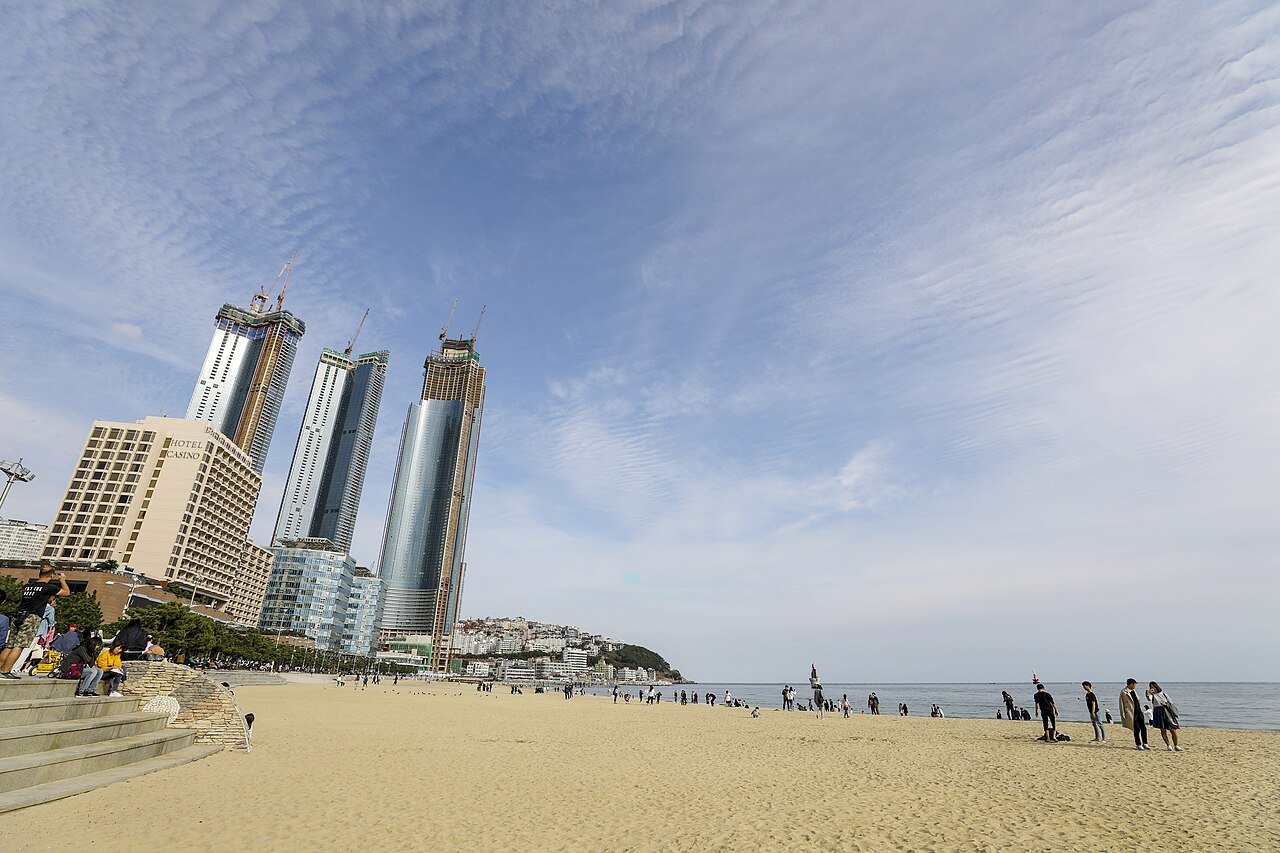
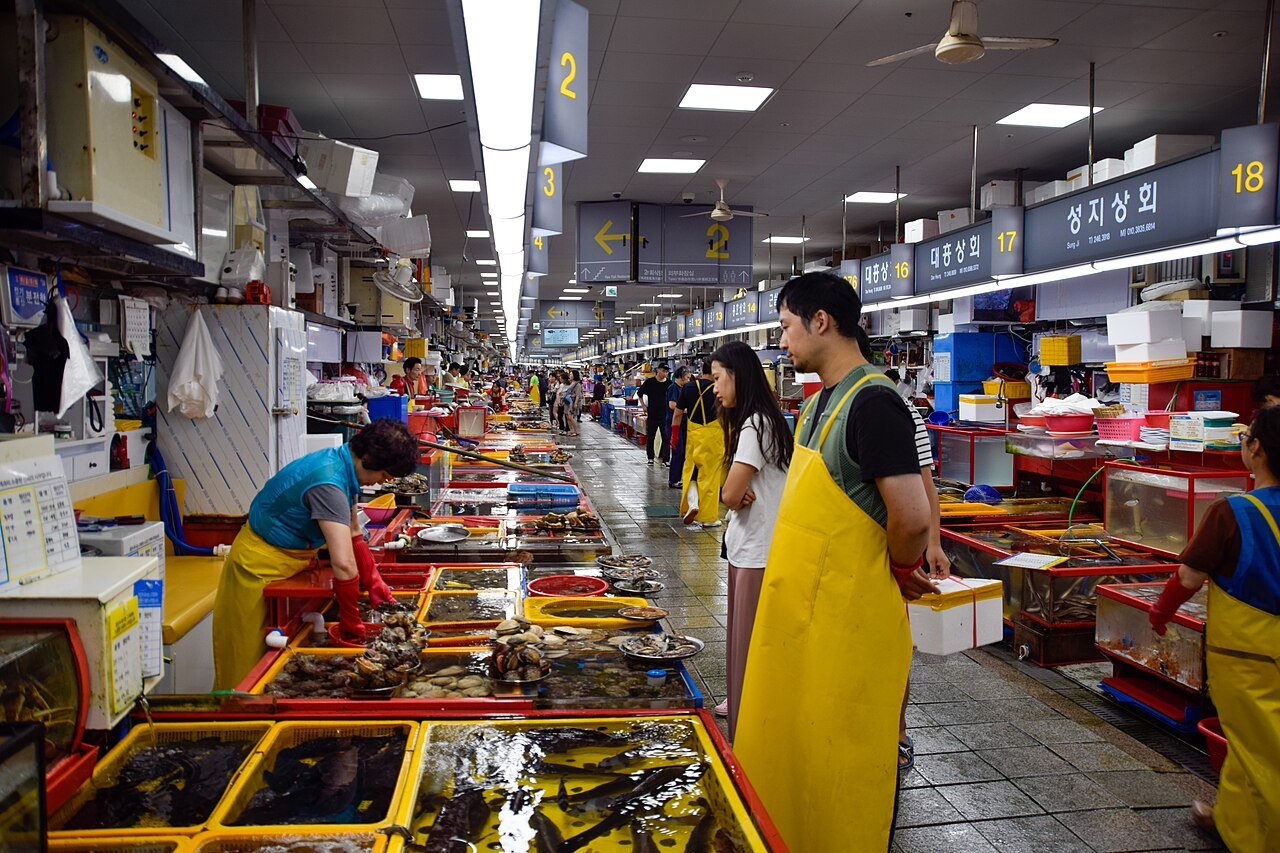
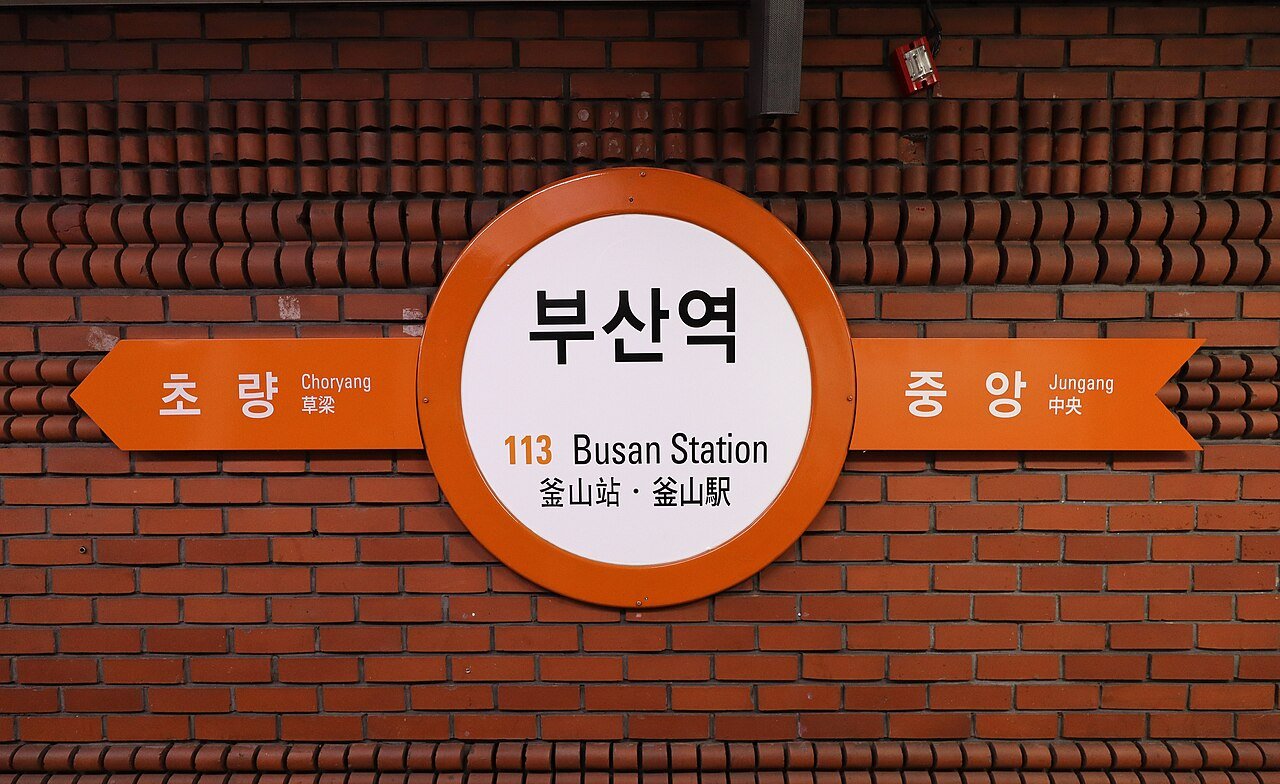
Busan Station drops you right in the middle of the city. Metro Line 1 is directly connected, taxis queue out front, and Busan’s old downtown — Nampo-dong, the Jagalchi fish market — is just a couple of subway stops away. Seomyeon, the city’s busiest hub, is about 15 minutes; Haeundae Beach is 25–40 minutes by taxi, or around 45 by metro with one easy change.
A quick word on where to sleep: staying near the station makes early trains painless, Seomyeon puts you in the centre of everything, and Haeundae turns the trip into a beach holiday. Pick by what your mornings look like.
And for your first hours in the city — Gamcheon Culture Village, Jagalchi, and more, all reachable from the station — see Things to Do Near Busan Station.
Coming back — or carrying on
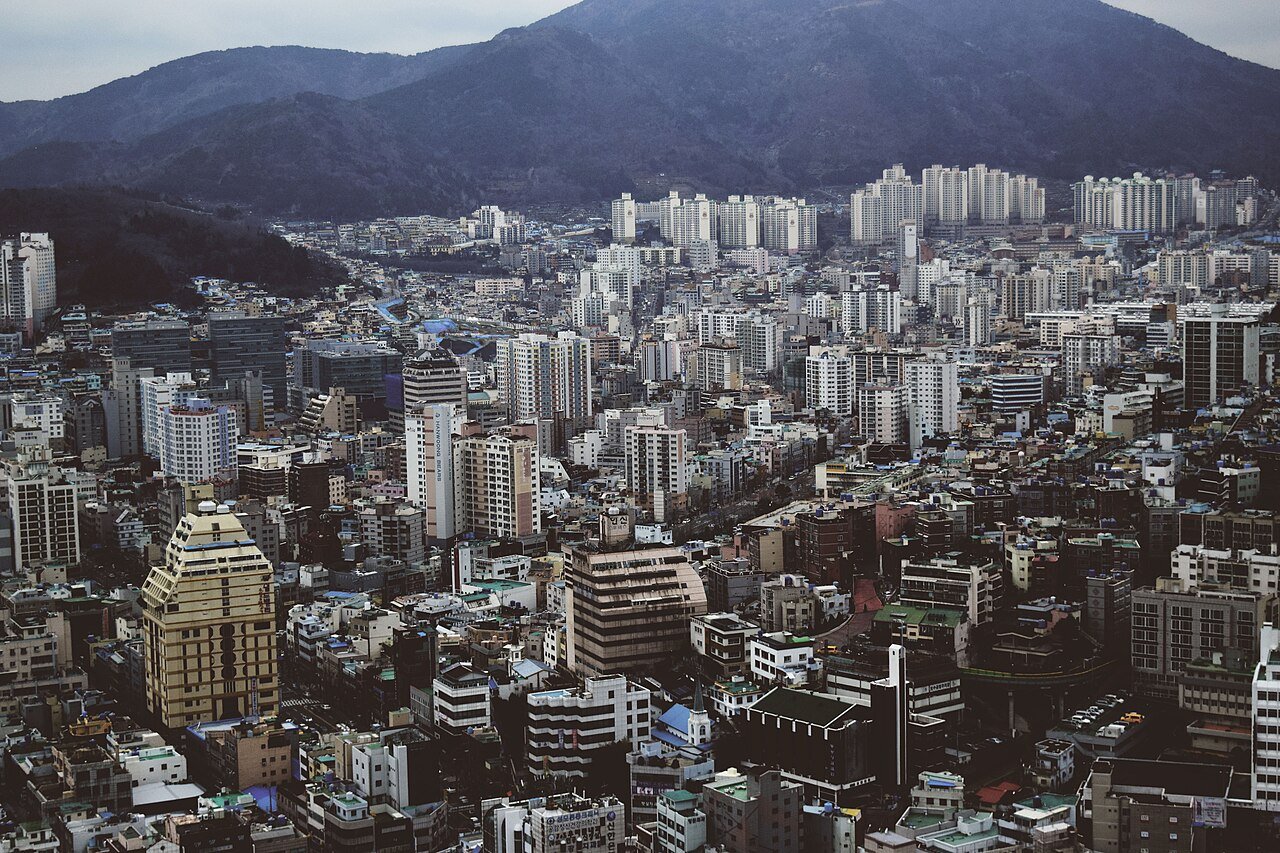
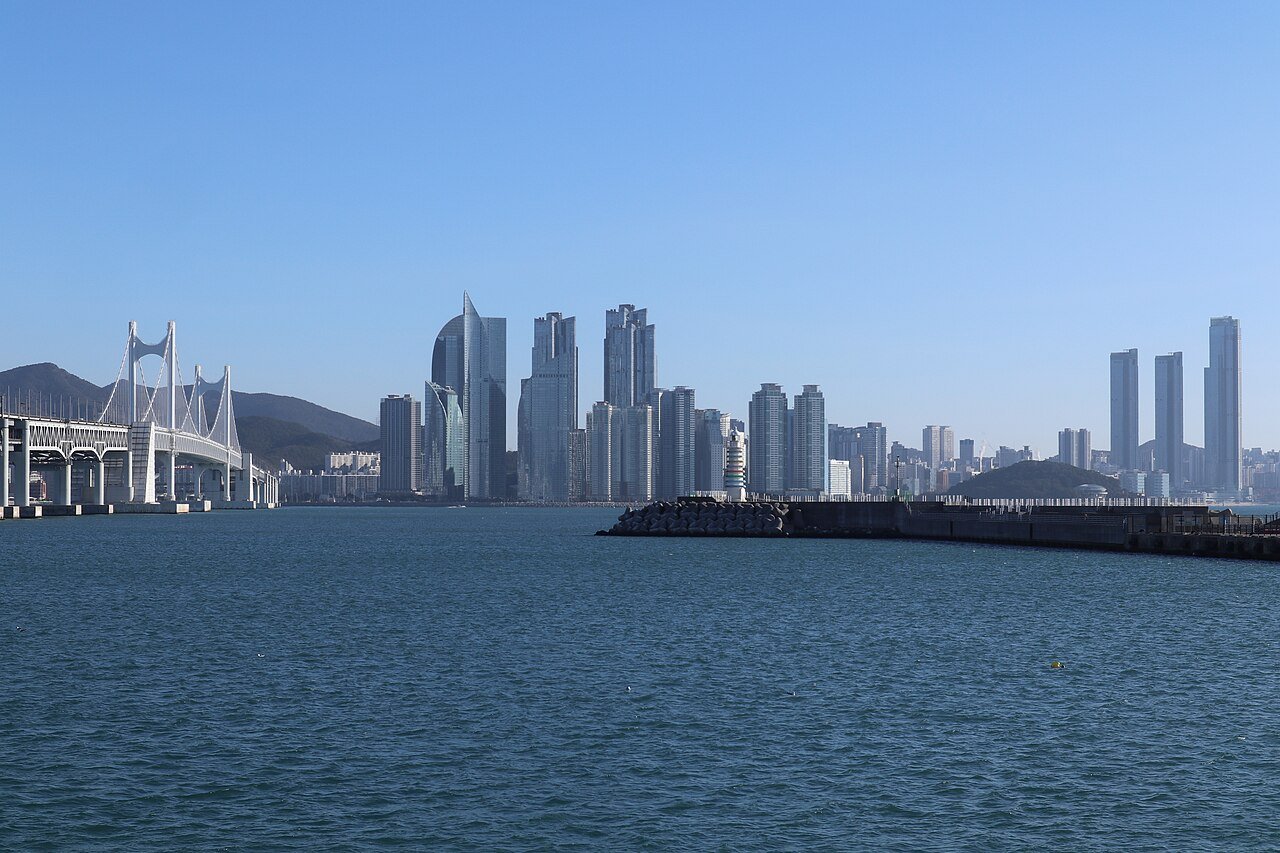
The return trip is a mirror image, with one tip: book your return leg at the same time as the outbound if you’re travelling on a weekend. Sunday-evening trains back to Seoul are the single most sold-out departure of the week.
Better yet — don’t go straight back. From Busan, Gyeongju (Korea’s ancient capital) is about 30 minutes by KTX, and the east coast is open from there. If you have a few days, our 5-day Korea rail itinerary turns this one route into a proper loop — and that’s exactly the territory where the Korail Pass starts to pay for itself.
Quick questions
How far is Busan from Seoul? About 420 km (260 miles) — roughly 2 hours 30 minutes by KTX, city centre to city centre (the fastest services do it in about 2 h 15 m).
How much is a KTX ticket from Seoul to Busan? A standard one-way fare is ₩53,900 (about US$41) and a round trip is ₩107,800; first class is about ₩78,400. KTX fares are fixed — booking early mainly secures a seat, though a limited online special fare exists on quieter departures.
How far ahead should I book? The window opens 30 days out. Midweek trains can be bought same-day; Friday/Sunday evenings and holidays deserve booking as early as you can.
Are KTX and SRT still different trains? Not since 1 September 2026. Korail and SR merged their high-speed operations, the former SRT trains now run as KTX-Sancheon, and Seoul Station and Suseo departures appear in the same Korail+ search. If you hold a Korail Pass, confirm at purchase whether Suseo departures are covered — Seoul Station departures always are.
Can I pay with my T-money card? No. T-money covers city transit (subway, buses, taxis); KTX needs its own ticket.
What if I miss the last train? The last KTX leaves around 10:50 p.m. After that it’s an express or overnight bus — or a night in a Seoul jjimjilbang, which is its own kind of travel story.
Are there luggage limits? Officially yes, practically generous. If you can lift it into the rack, you’re fine. Nobody weighs bags.
Is there food on the train? No trolley service — buy at the station before boarding. Eating onboard is normal and expected.
Related guides
- KTX Sold Out? How Locals Still Get a Seat — cancellations, off-peak trains, standing tickets and the station counter.
- Things to Do Near Busan Station — your first hours in Busan, sorted.
- How to Book KTX with a Foreign Credit Card — the payment problem, solved properly.
- KTX vs SRT — which high-speed train fits your hotel.
- Korail Pass: Is It Worth It? — honest math, no upsell.
- 5 Days in Korea by KTX — make this route the start of a loop.
🔗 Affiliate disclosure: Some links on this site are affiliate links. If you book through them, we may earn a small commission at no extra cost to you. We only recommend services we believe are genuinely useful for train travel in Korea.