KTX vs SRT: What Changed After the 2026 Merger
🔗 Some links on this site are affiliate links. If you book through them, we may earn a small commission at no extra cost to you. We only recommend services we believe are genuinely useful for train travel in Korea.
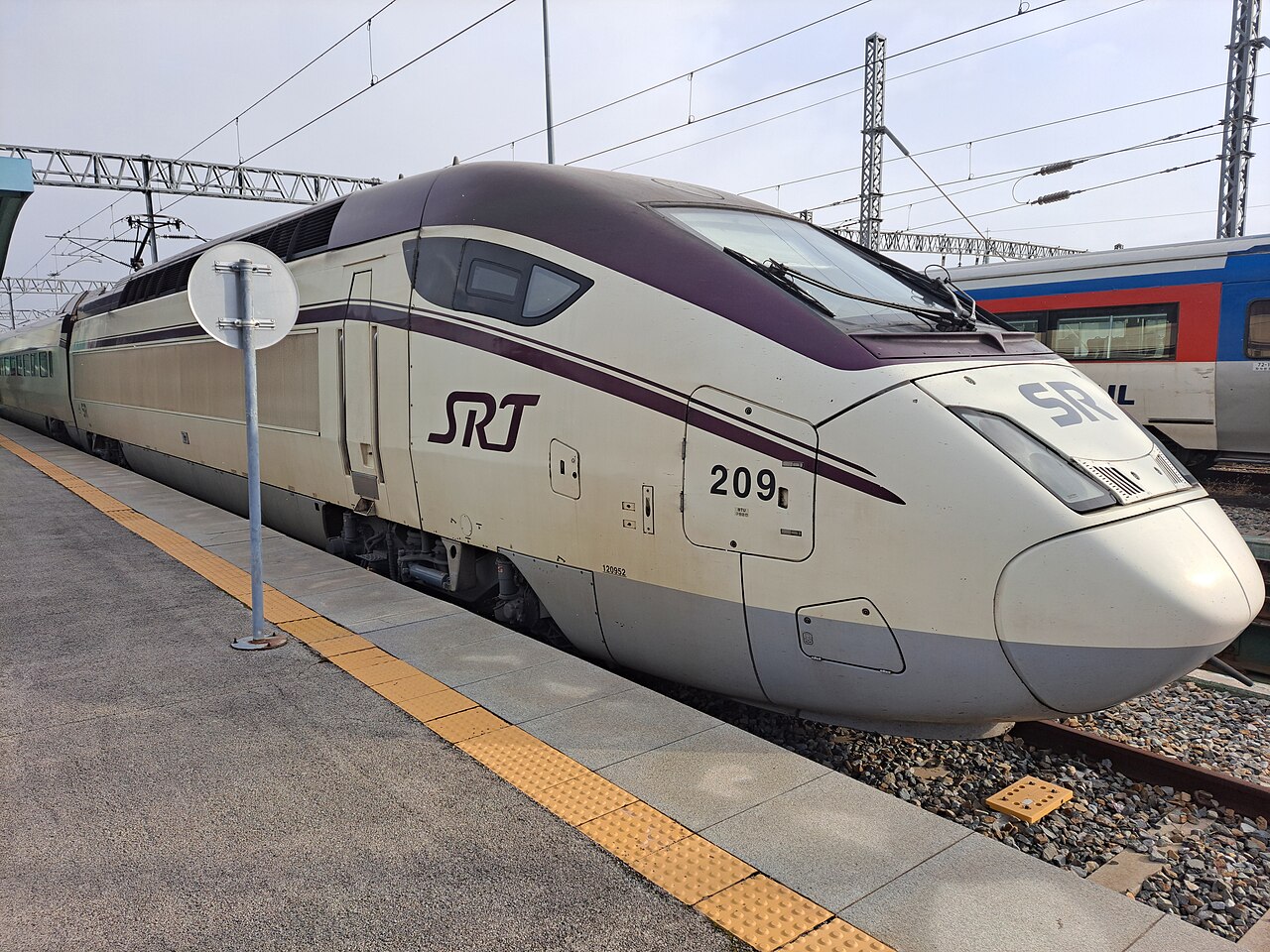
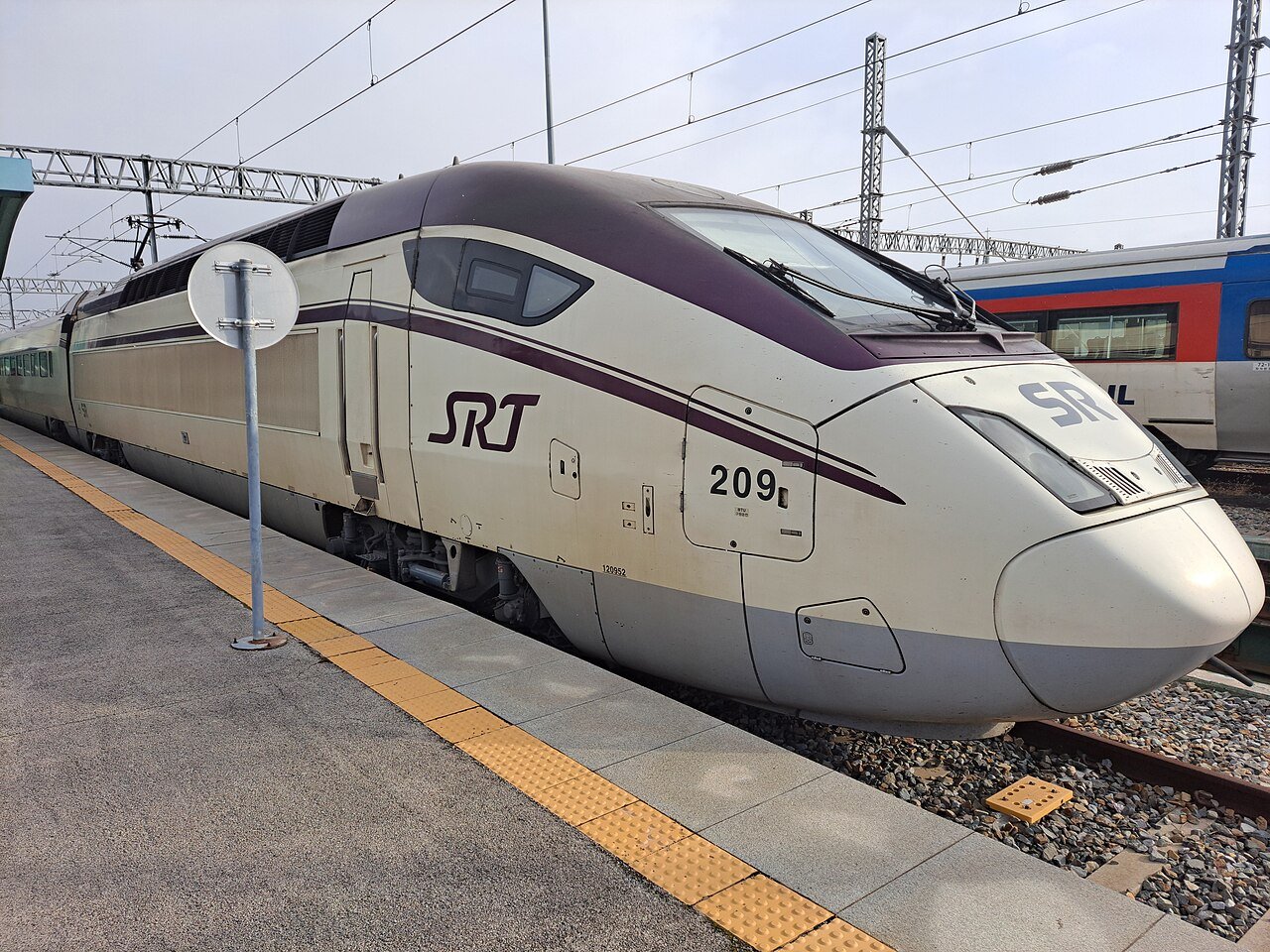
For years the answer to “KTX or SRT?” was a real decision: two brands, two operators, two apps, two prices. That question was settled on 1 September 2026, when the two merged. The SRT name is being retired, its trains now run as KTX-Sancheon under Korail, fares came down by about 10%, and everything books in one place. This guide covers what actually changed, what still differs, and how to pick your train now.
What happened on 1 September 2026
Korail (the national railway) and SR (which ran the SRT from Suseo since 2016) completed a merger that had been years in the making. In practice:
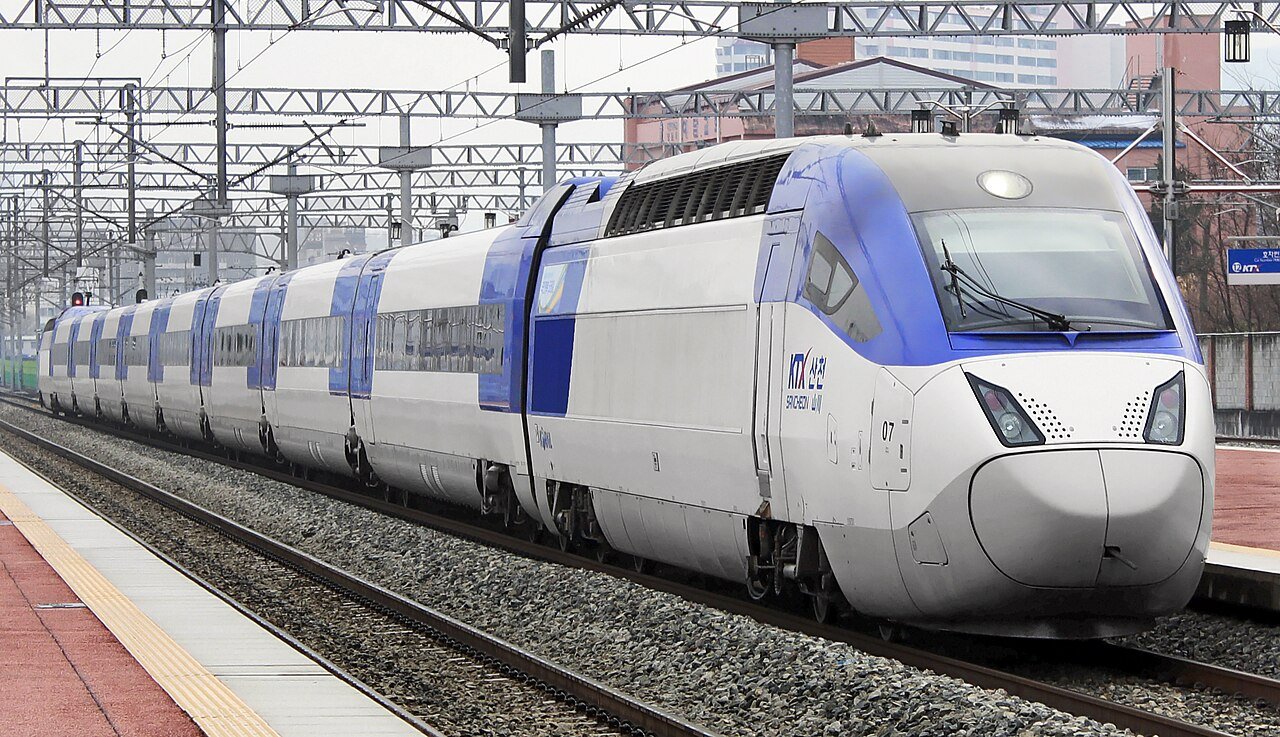
- The SRT brand is going away. The former SRT trainsets now operate as KTX-Sancheon under Korail.
- Fares fell. KTX prices were brought down to the old SRT level — an average cut of about 10%.
- Booking was unified. The integrated Korail+ app (launched 3 August 2026 as an update to KorailTalk) shows Seoul, Yongsan and Suseo departures in a single search.
- Capacity went up. Roughly 16,000 extra seats a day (about 116,000 a week), with weekday services rising from 379 to 402 and weekend services from 431 to 457.
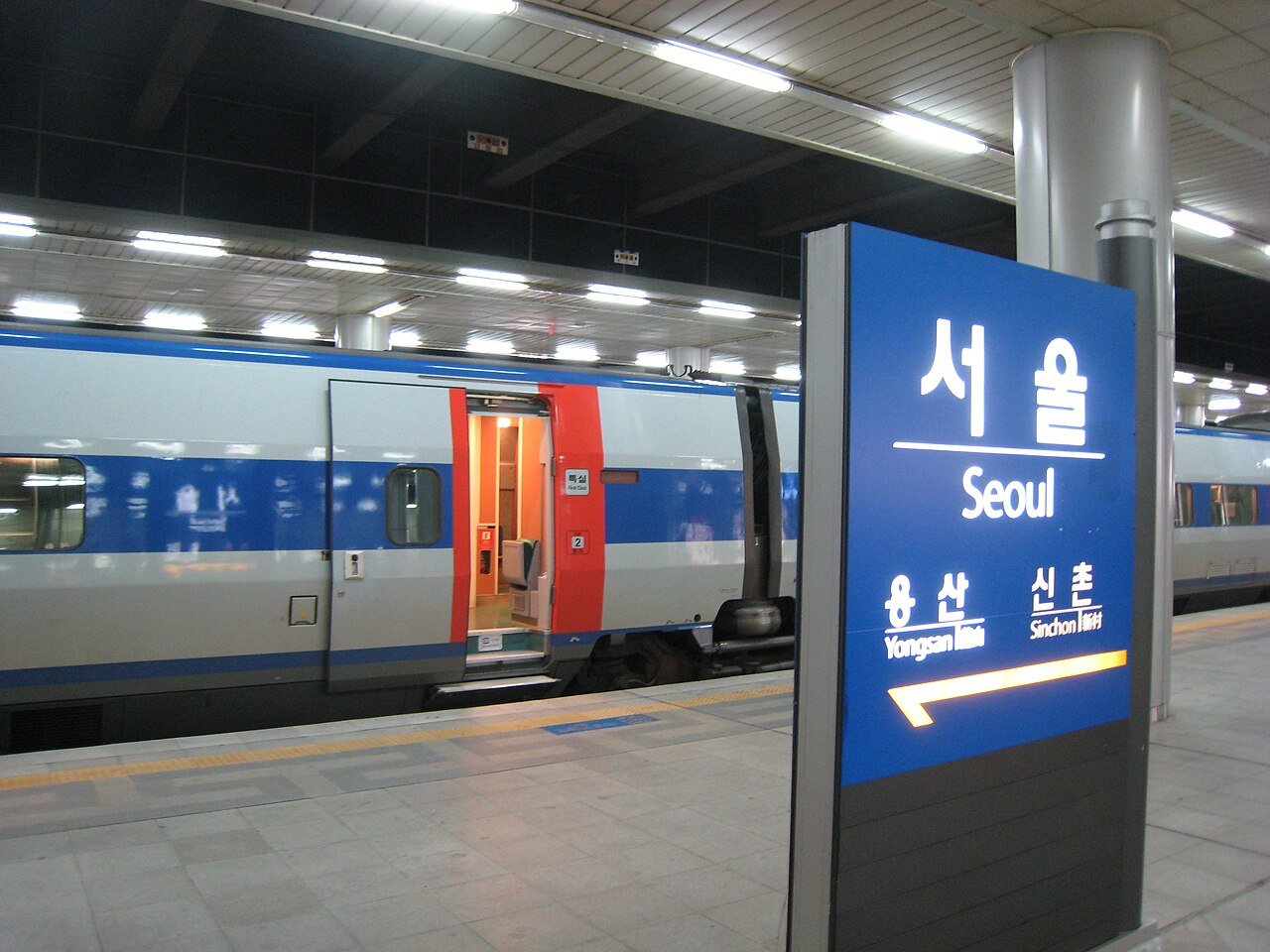
- The station split dissolved. “Seoul Station means KTX, Suseo means SRT” is no longer the rule.
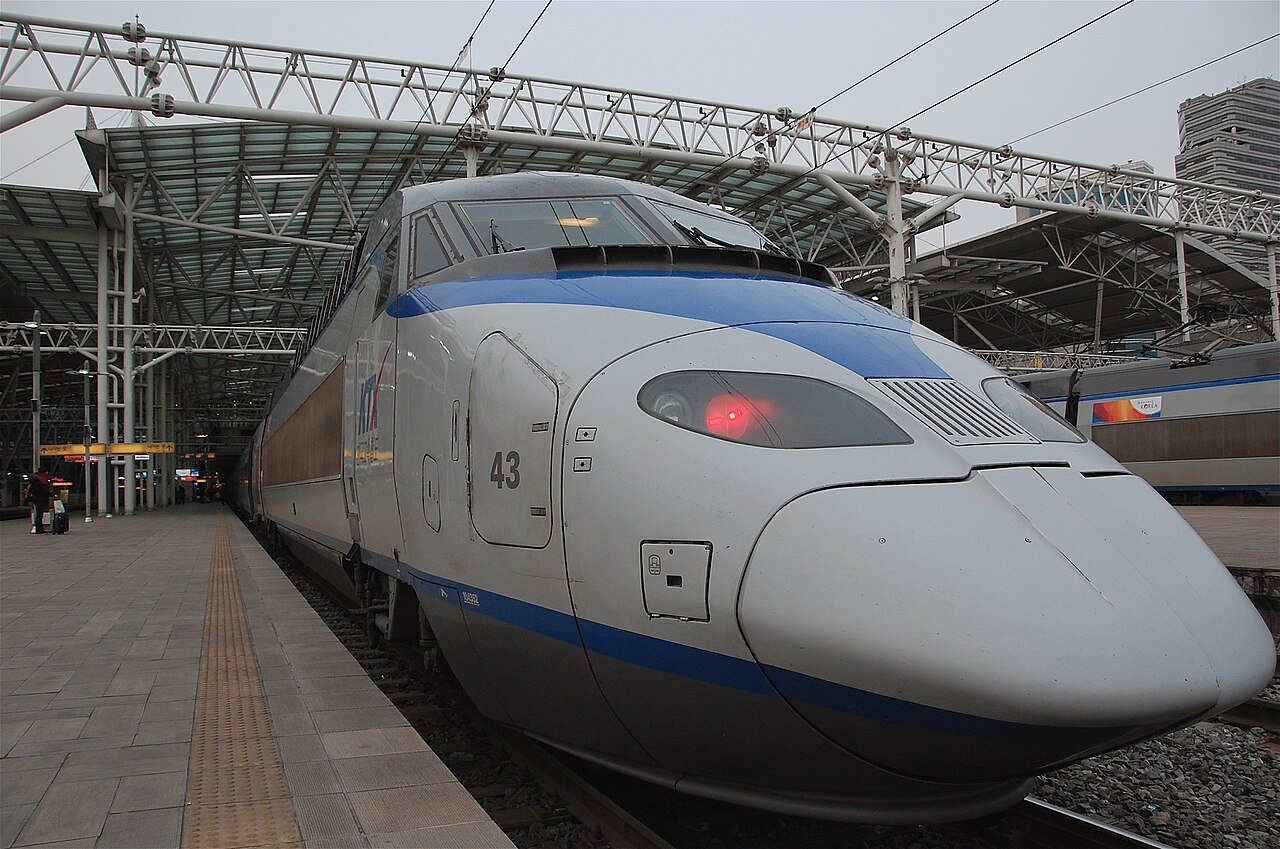
On the train itself nothing has changed: comfortable reserved seats, a Standard and a First Class car, power outlets, a quiet ride at up to around 300 km/h. (Curious what riding both was like before the merger? I wrote up my own first-timer KTX and SRT trips for Go Backpacking.)
Fares: the KTX price came down to the SRT price
The old rule of thumb — “SRT is about 10% cheaper” — is dead, because the cheaper price won. KTX fares were repriced down to the SRT level rather than the other way round:
- Seoul → Busan: ₩59,800 → ₩53,900
- Yongsan → Gwangju-Songjeong: ₩46,800 → ₩42,000
Two things to note. First, the cut was applied route by route to match the old SRT levels, not as a flat percentage everywhere — so check your specific leg rather than assuming 10% off. Second, Suseo departures picked up benefits they never had under SR: 5% mileage on the fare paid, transfer discounts onto conventional rail, and the online advance-purchase discounts.
One thing that has not changed: there is no airline-style dynamic pricing. Buy today or three weeks out, the base fare is the same. Booking early buys you a seat, not a discount — which matters on weekends and holidays, when trains genuinely sell out. If yours already has, we have a whole guide to getting a seat on a sold-out KTX. One exception worth knowing: Korail discounts a limited block of seats on quieter departures through its online special fare — how that works.
Departure stations: still the thing that matters most
With the brands merged, this is now the main practical difference — and it is about geography, not trains.
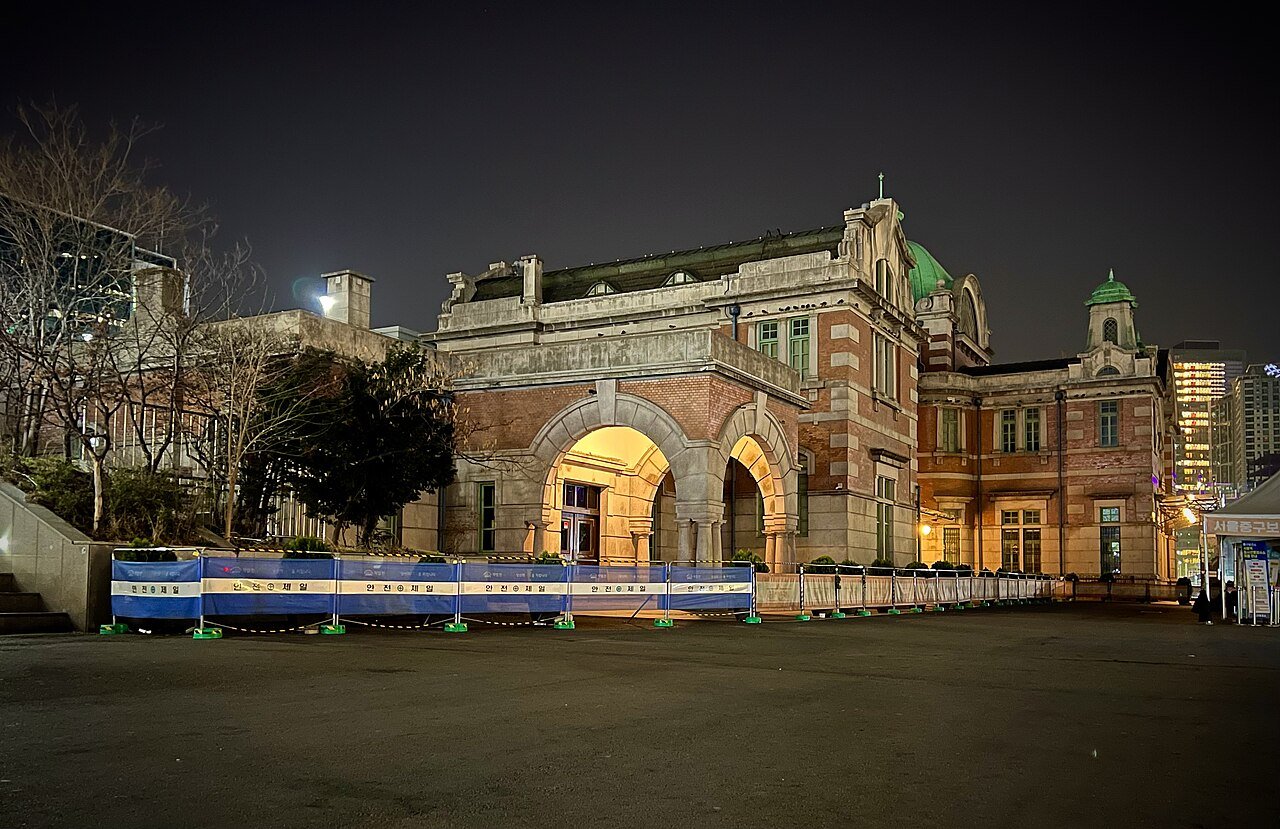
- Seoul Station / Yongsan. Seoul Station is dead-centre, on subway Lines 1 and 4 and the AREX airport line, surrounded by hotels and about ten minutes from Myeongdong.
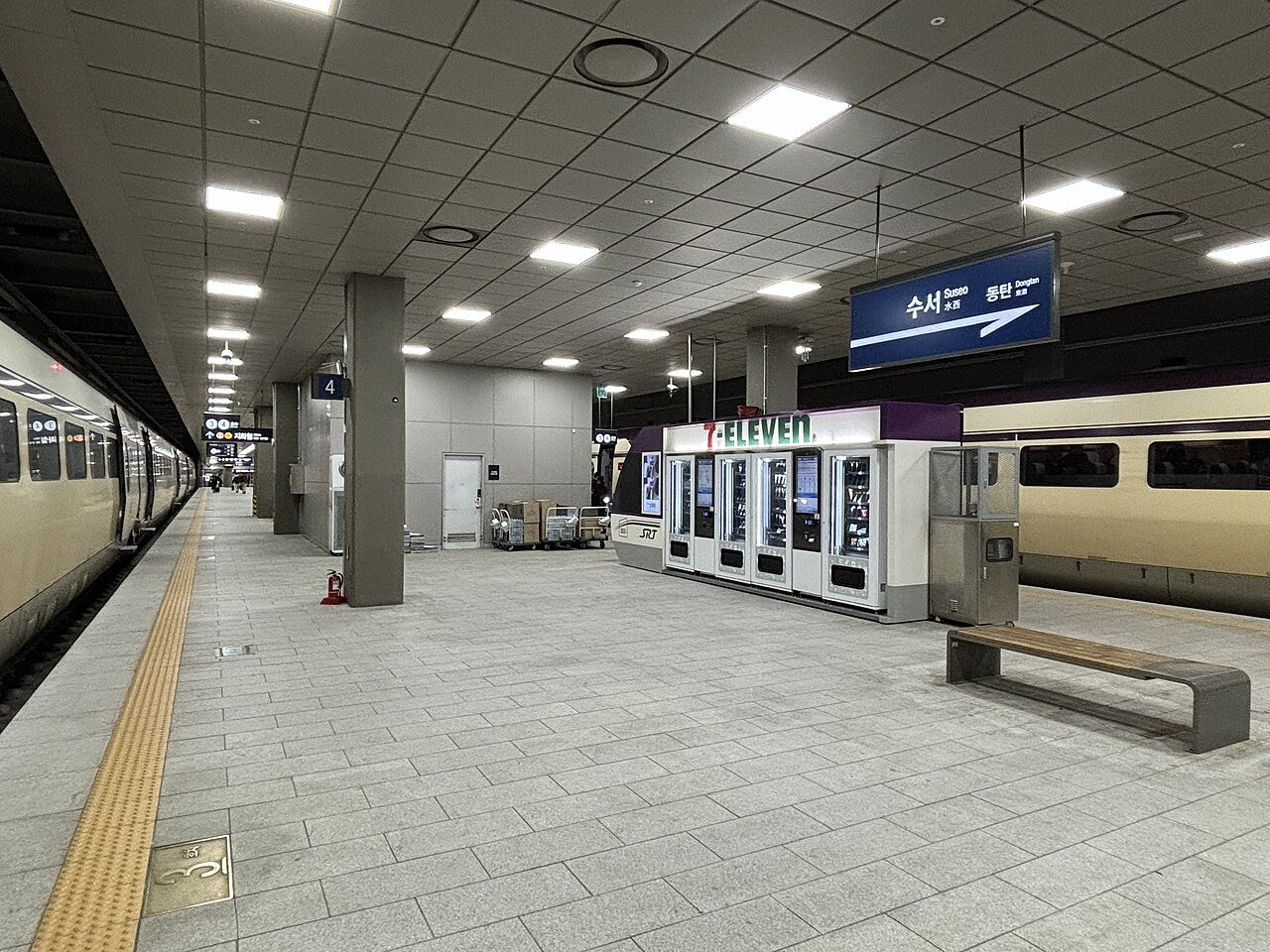
- Suseo. In the south-east on Line 3, the Suin–Bundang line and GTX-A. If you are staying in Gangnam, Jamsil, Songpa or anywhere on the south or east side, Suseo can be 20–30 minutes closer each way than Seoul Station.
The rule is unchanged in spirit but simpler in practice: pick by which station is closer to your hotel. The difference now is that you no longer have to work out which brand that implies — one search shows you both, and getting to the wrong side of the city is the only real cost left.
Routes: what each station can actually reach

The merger unified the operator and the booking system — but not the tracks. Suseo sits on its own high-speed link into the Gyeongbu and Honam corridors, so where you can go still depends on where you start:
- From Seoul Station / Yongsan: the full network, including routes the Suseo line does not reach, such as Gangneung on the east coast — its KTX leaves from Seoul Station or Cheongnyangni (see our Gangneung by KTX guide).
- From Suseo: the Gyeongbu corridor to Dongdaegu, Gyeongju (the station was renamed from Singyeongju in late 2023 — the stop for Gyeongju) and Busan, plus the Honam corridor to Gwangju-Songjeong and Mokpo. Trains also branch off those lines to Pohang, Changwon and Jinju, and down the Jeolla line to Jeonju, Suncheon and Yeosu — with fewer departures than from Seoul Station or Yongsan.
So for the headline tourist routes — Busan, Gyeongju, Daegu, Gwangju, Jeonju, Yeosu — you have a genuine choice of station; on the branch lines, search both stations before you settle, because the Suseo side runs fewer trains there. For Gangneung, you are heading to Seoul Station or Cheongnyangni.
The Korail Pass question — check this one at purchase
The foreigners-only Korea Rail Pass historically covered KTX and other Korail trains but excluded the SRT, because SR was a separate company. That reasoning no longer applies: those trains are Korail trains now, running as KTX-Sancheon.
We are not going to guess at the consequence. At the time of writing, Korail had not published updated pass wording covering Suseo-route departures, and the sources that discuss it disagree. If your itinerary depends on riding a Suseo departure on a Korail Pass, confirm coverage at the point of purchase rather than assuming either way. If you are travelling from Seoul Station or Yongsan, nothing is in question — those have always been covered.
Whether the pass beats individual tickets at all is a separate calculation, and one worth doing: see Is the Korail Pass Worth It? and, once you have one, How to Use the Korail Pass.
How to book now
One app, one account, one search:
- Korail+ — the integrated app, delivered as an update to KorailTalk. It shows Seoul, Yongsan and Suseo departures together. The Korail website does the same.
- Membership matters. Booking requires an integrated Korail account. Korail-only members were converted automatically; anyone who had an SR account will need to convert or register. This catches people out at holiday sale times, when there is no time to fix it.
- Foreign cards are still the weak point. Korean rail payment pages reject overseas cards often enough that it is worth having a fallback — see KorailTalk Not Working, How to Buy KTX Tickets and How to Book KTX with a Foreign Credit Card.
- Reseller backup. Klook is an official KORAIL partner selling the same live inventory — so it will not conjure a seat on a sold-out train, but it does accept international cards, Apple Pay and Google Pay, and checks out in English.
A practical tip either way: get a Korea eSIM before you land so you can pull up your e-ticket QR, navigate to the right station, and use the app the moment you arrive.
Before and after, at a glance
| Before (to Aug 2026) | Now (from 1 Sept 2026) | |
|---|---|---|
| Brands | KTX (Korail) and SRT (SR) | One operator; former SRT runs as KTX-Sancheon |
| Seoul–Busan fare | ₩59,800 KTX / ₩52,600 SRT | ₩53,900 |
| Booking | KorailTalk and the SRT app | Korail+ (one app, one account) |
| Departure station | Fixed by brand | Free choice — both in one search |
| Suseo perks | No Korail mileage | 5% mileage, transfer discounts |
| Capacity | — | +~16,000 seats a day |
| Gangneung | KTX only | Still not from Suseo (Seoul Station or Cheongnyangni) |
Bottom line
If you arrived here trying to decide between two brands, the good news is that you no longer have to. Search your route in Korail+, and pick the departure that leaves from whichever station is easier for you to reach. The fare is the fare, the trains are the same, and the only real constraints left are geography — Suseo cannot take you to Gangneung — and, if you hold a Korail Pass, checking that a Suseo departure is covered before you rely on it.
Quick questions
Is there still a difference between KTX and SRT in 2026? Not as brands. On 1 September 2026 Korail and SR merged their high-speed operations: the former SRT trains now run as KTX-Sancheon under Korail, and both book in the same Korail+ app. What still differs is practical — which Seoul station your train leaves from, and which destinations that station’s line can reach.
Is SRT cheaper than KTX? Not any more. The merger brought KTX fares down to the old SRT level — Seoul to Busan fell from ₩59,800 to ₩53,900, an average cut of about 10% across the network. There is no longer a cheaper brand; the fare depends on the route, not the badge.
Which station should I use, Seoul Station or Suseo? Whichever is closer to where you are staying. Seoul Station and Yongsan suit central Seoul; Suseo suits Gangnam, Jamsil and the southeast. Since the merger the departure station no longer determines the train brand — both appear in the same search.
Do I still need the SRT app? No. Since 1 September 2026 high-speed tickets — including Suseo departures — are booked in the integrated Korail+ app or on the Korail website. The old apps were kept available during the transition, but Korail+ is the one to install.
Can I take a high-speed train from Suseo to Gangneung or Yeosu? Yeosu, yes; Gangneung, no. Suseo trains run down the Gyeongbu and Honam high-speed lines and the branches off them — Busan, Gyeongju, Daegu and Pohang; Gwangju and Mokpo; Jeonju, Suncheon and Yeosu; Changwon and Jinju — though the branches get fewer departures than from Seoul Station or Yongsan. Gangneung is on a different line altogether: its KTX leaves from Seoul Station or Cheongnyangni. The merger unified the operator and the booking system, not the tracks.
Will my foreign credit card work? It is often rejected on Korean rail sites and apps. Try the official Korail channel first; if your card is declined, a reseller such as Klook sells the same live inventory and accepts international cards, Apple Pay and Google Pay.
Related guides
- KTX Sold Out? How Locals Still Get a Seat — the waitlist, cancellations and standing tickets.
- How to Book KTX with a Foreign Credit Card — the booking problem, solved.
- Is the Korail Pass Worth It? — the honest maths at the new fares.
- Seoul to Busan by KTX — the flagship route.
- Ultimate Korea Train Travel Guide — the big-picture overview.
🔗 Affiliate disclosure: Some links on this site are affiliate links. If you book through them, we may earn a small commission at no extra cost to you. We only recommend services we believe are genuinely useful for train travel in Korea.