Korail Pass vs Buying Tickets: Which Actually Saves Money? (2026)
🔗 Some links on this site are affiliate links. If you book through them, we may earn a small commission at no extra cost to you. We only recommend services we believe are genuinely useful for train travel in Korea.
Let’s not bury the answer. If you’re doing one round trip — say Seoul to Busan and back — buy individual tickets. They’re cheaper than any pass, full stop. But if you’re planning a packed loop of six or more long-distance legs, the Korail Pass usually wins, and it quietly solves the foreign-card payment headache as a bonus.
That’s the verdict. The rest of this guide is just the receipts: real 2026 fares, three worked-out scenarios, a break-even cheat sheet, and an honest look at whether the youth and group discounts still exist. No hard sell — the pass is genuinely the wrong choice for a lot of trips, and we’ll tell you exactly when.
How the Korail Pass works
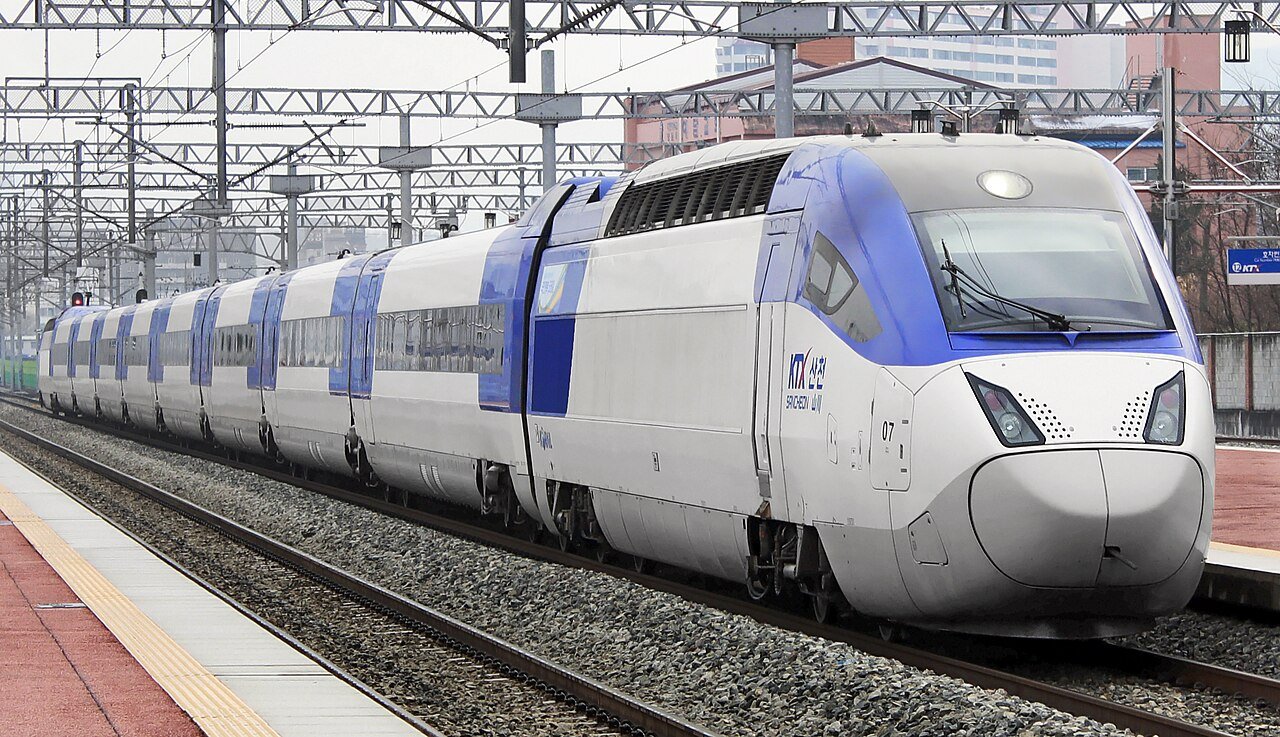
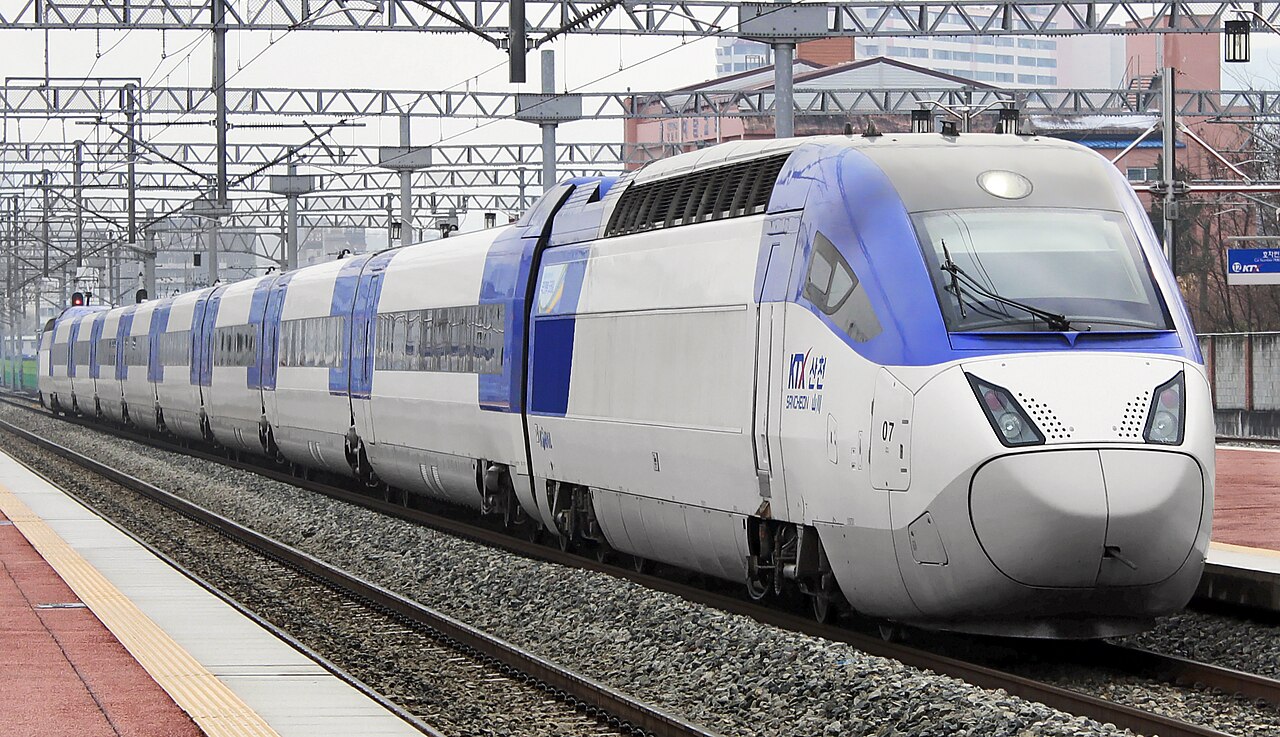
The Korail Pass (KR Pass) is a tourist-only ticket that gives foreign passport holders unlimited rides on Korail trains — including the KTX — for a set number of travel days. You pick a duration (2, 3, 4, or 5 days), and you use those days within a travel window. Don’t overthink the mechanics: as of 2026 Korail markets every duration as flexible travel days used within a set window, so just plan which days you’ll actually be on a train and check the current terms when you book — Korail tweaks the fine print from time to time.
Here’s the 2026 pricing:
| Pass | Adult | Child (6–12) |
|---|---|---|
| 2-day | ₩131,000 (~US$97) | ₩66,000 |
| 3-day | ₩186,000 (~US$138) | ₩93,000 |
| 4-day | ₩234,000 (~US$173) | ₩117,000 |
| 5-day | ₩275,000 (~US$204) | ₩138,000 |
Kids under 6 ride free (on a lap). Prices and terms change — these are 2026 figures, so check the current price when you book.
What it covers: the KTX and most Korail trains (ITX, Mugunghwa, and friends), plus free seat reservations.
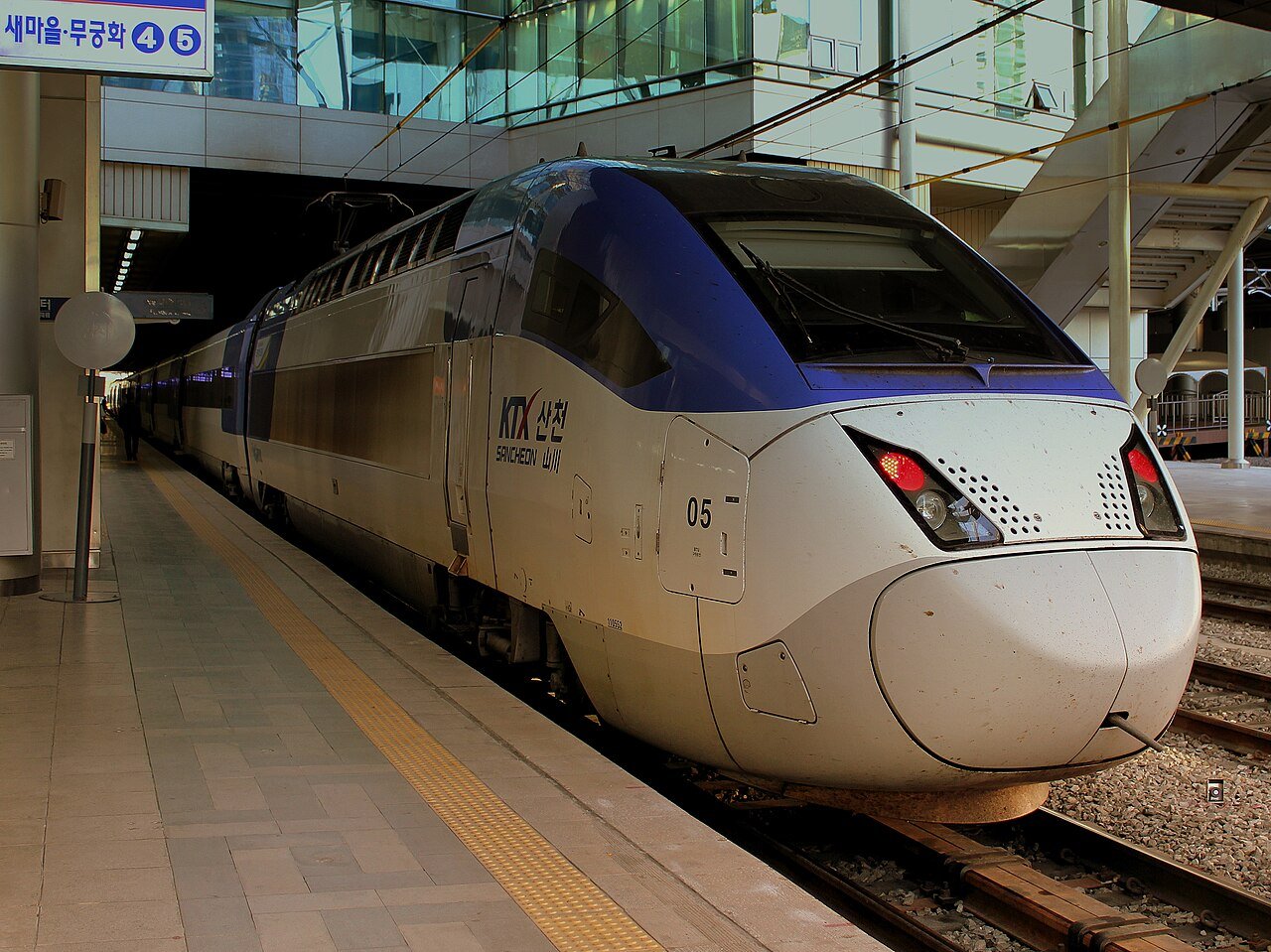
What it does NOT cover: city subways and local metro — your Seoul or Busan transit still rides on a T-money card. And it’s foreigners only: you’ll need your passport to buy. One item is now in flux: the pass historically excluded the SRT as a separate operator’s train, but since 1 September 2026 those Suseo departures run as KTX-Sancheon under Korail. Confirm at purchase whether they are covered rather than assuming either way.
The math: three real scenarios
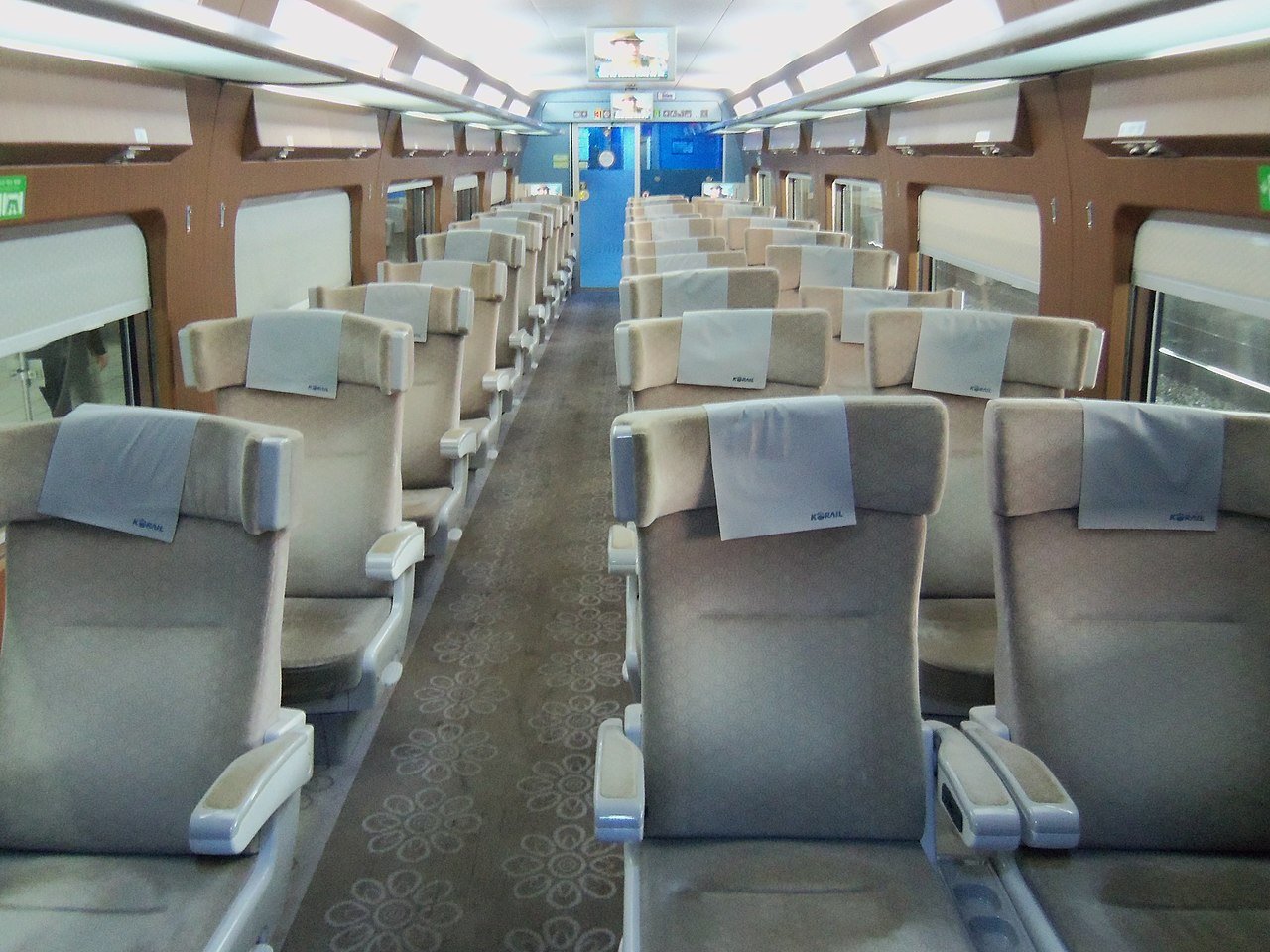
This is where it gets concrete. Below are three trips, and every fare in them was checked in Korail’s own booking system on 8 September 2026, after the merger repricing — none of these are estimates. That is worth saying, because the September cut was applied route by route against the old SRT levels rather than as a flat percentage: Seoul–Busan fell about 10%, Seoul–Gangneung did not move at all. Fares also wobble by a few hundred won between services on the same route, so treat these as the going rate rather than a fixed quote.
Scenario A — one round trip (the pass loses)
Seoul to Busan and straight back, nothing else.
| Leg | Fare |
|---|---|
| Seoul → Busan | ₩53,900 |
| Busan → Seoul | ₩53,900 |
| Tickets total | ₩107,800 |
| 2-day Korail Pass | ₩131,000 |
Tickets win by ₩23,200. The pass costs more than the trip it’s covering. If a single round trip is all your itinerary holds, skip the pass and just buy the tickets. This is the most common mistake we see — travelers buy the pass “to be safe” and overpay.
Scenario B — Seoul → Busan → Gyeongju → Seoul (a near tie)
Add Korea’s ancient capital to the trip and the gap closes fast.
| Leg | Fare |
|---|---|
| Seoul → Busan | ₩53,900 |
| Busan → Gyeongju (a 27–35 min hop) | ₩10,100 |
| Gyeongju → Seoul | ₩44,200 |
| Tickets total | ~₩108,200 |
| 2-day Korail Pass | ₩131,000 |
On raw fares, tickets are still about ₩22,800 cheaper. But this is the zone where the pass earns its keep on convenience rather than dollars: one purchase, free seat reservations, no per-trip booking, and the freedom to change your mind mid-trip. If you’d happily pay ₩22,800 to never touch the Korail app again, the pass is a fair call here — but that is real money for what is, on this itinerary, a convenience upgrade.
Scenario C — the grand loop (the pass wins)
Now stretch it over 4–5 days: Seoul → Busan → Gyeongju → Gangneung → Seoul, the kind of route our 5-day Korea rail itinerary is built around.
| Leg | Fare |
|---|---|
| Seoul → Busan | ₩53,900 |
| Busan → Gyeongju | ₩10,100 |
| Gyeongju → Seoul (to connect onward) | ₩44,200 |
| Seoul → Gangneung | ₩27,600 |
| Gangneung → Seoul | ₩27,600 |
| Tickets total | ~₩163,400 |
Here is where the September 2026 fare cut moved the line. That total is still ₩22,600 under the 3-day pass at ₩186,000 — five legs is no longer enough. Add one more, though — a side trip to Jeonju (Yongsan → Jeonju, ₩31,300) or a couple of regional day trips — and you reach ₩194,700, where the 3-day pass wins by ₩8,700 and keeps pulling ahead from there. So the honest break-even is now around six long-distance legs, not five. On a packed multi-city week the pass still wins on price and convenience; on a moderate one it no longer does.
Break-even cheat sheet
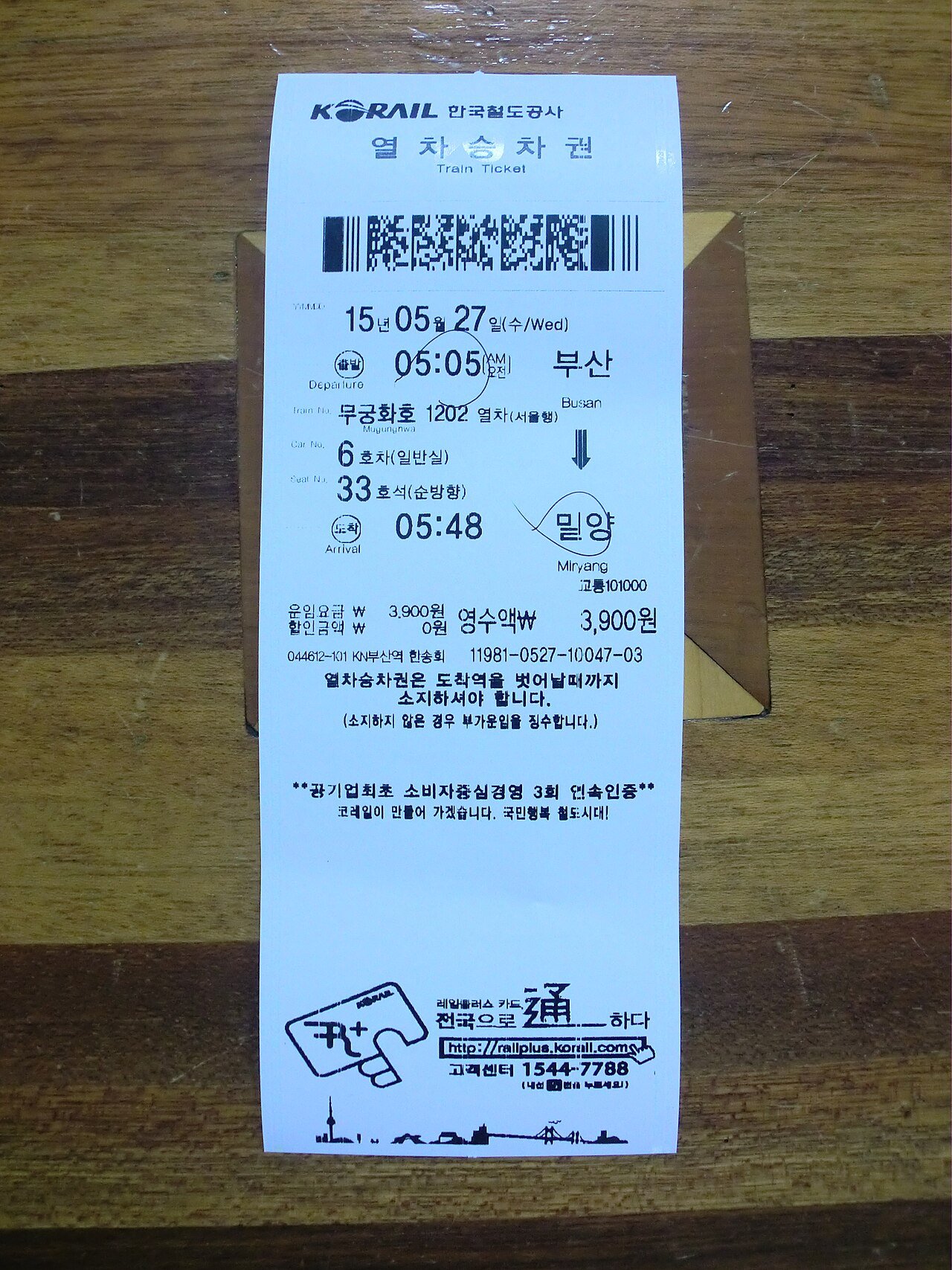
Don’t want to do arithmetic? Match your trip to a row.
| Your trip looks like… | Pass? |
|---|---|
| One round trip (Seoul ⇄ Busan only) — 2 legs | No — tickets win by ₩23,200 |
| Two long legs, same city pair, nothing else | No — same arithmetic |
| One round trip + a short side hop — 3 legs | No on price — tickets by ~₩22,800; buy the pass only if that’s what the convenience is worth to you |
| A 4–5 day loop of about five legs | No — still ₩22,600 under the 3-day pass |
| Six or more long-distance legs | Yes — this is where the pass finally pulls ahead |
| Mostly one base city + subways | No — pass covers no subways |
The rough rule of thumb: around six long-distance KTX legs is where the pass tips from “waste of money” to “good idea.” Below that, tickets. That line moved in September 2026 — the merger cut fares while pass prices stayed exactly the same, so the pass has to cover more travel than it used to before it pays for itself.
Youth and Saver: check before you count on them
Older guides — ours included, until we checked — tell you that a Youth rate (ages 13–27, about 20% off) and a Saver rate (groups of 2–5, about 8% off each) can swing a close call toward the pass.
Do not plan around either one without checking first. Korail’s official KORAIL PASS pricing table, as it stood on 7 September 2026, lists only two passenger types:
- Adult — age 13 and over
- Child — ages 6 to 12 (one child under 6 rides free per adult)
There is no youth row and no Saver row on that table. That does not prove the discounts are gone — they may live in another channel or be sold by resellers — but it does mean a 20-year-old should expect to pay the full adult ₩131,000, not ₩105,000, unless they find the youth rate quoted at the point of purchase.
This matters because it removes the one scenario where a single Seoul–Busan round trip flipped in the pass’s favour. At full adult pricing, Scenario A stays clear: tickets win by ₩23,200.
The hidden value beyond the math
Even when fares come out close, the pass carries real value that doesn’t show up in a spreadsheet:
- It sidesteps the foreign-card problem. Korea’s biggest booking frustration is that the Korail+ (formerly KorailTalk) app quietly rejects many foreign cards — no error, no charge, no ticket. The pass is sold on tourist-facing platforms with normal checkout, so you buy once and skip that whole saga. (If you’re booking individual tickets instead, read how to book KTX with a foreign credit card first — it’s a real obstacle.)
- No per-trip booking stress. With a pass, each leg is just a free seat reservation, not a fresh payment battle.
- Freedom to change plans. Decide on a rainy morning to skip Gyeongju and run up to Gangneung instead? With a pass, you just hop on. No re-booking, no sunk fares.
For a lot of travelers, that’s worth a few thousand won even when the strict math says “tickets.” Honesty cuts both ways: it’s also not worth it if your whole trip is one round trip. Don’t pay for flexibility you won’t use.
Using the pass well
If the math says yes, get the most out of it:
- Reserve your seats — they’re free with the pass. A pass covers the fare, but on busy routes (Friday and Sunday evenings, holidays, summer beach weekends) you still want a reserved seat so you’re not standing for two and a half hours. Our guide on how to use the Korail Pass walks through the reservation flow step by step.
- Pair it with a real itinerary. A pass rewards movement, so plan a route that actually uses your travel days. Our 5-day Korea rail itinerary and the longer 7-day Korea itinerary are both built to make a multi-day pass pay for itself.
- Don’t forget data while you’re hopping trains. Reservations, maps, and translation all live on your phone — sort out a Korea eSIM before you fly so you’re not hunting for station Wi-Fi.
What about the Korail Pass Plus (2026)?
In 2026 KORAIL added a Korail Pass Plus option: for about ₩8,000 on top of a standard Korail Pass you also get a NAMANE transit card, preloaded for the subway, city buses, and convenience stores. It does not change the break-even math above — the Plus fee buys local-transit convenience, not more intercity-train value — so judge the standard pass on the numbers first, then add Plus only if you want one tap-card for everything. Resellers like Klook and Trip.com sell the standard pass; the Plus add-on is arranged separately, self-service at NAMANE kiosks or the official Korail Pass+ site.
Quick questions
Does the Korail Pass cover the SRT? This changed on 1 September 2026. The SRT used to be a separate operator (SR) out of Suseo Station and was excluded from the pass; those trains now run as KTX-Sancheon under Korail. Korail had not published updated pass wording at the time of writing, so if your plan depends on riding a Suseo departure on a pass, confirm coverage at purchase. Seoul Station and Yongsan departures have always been covered.
Does it cover subways or airport rail? No. City subways and metro lines aren’t covered — you’ll still tap in with a T-money card for local transit. The pass is for intercity Korail trains.
Can I reserve seats for free with the pass? Yes. Seat reservations are included at no extra cost, and on busy routes you should absolutely use them so you don’t end up standing.
Is it cheaper than tickets for one round trip? No. A single Seoul–Busan round trip is ₩107,800 in tickets versus ₩131,000 for the cheapest (2-day) pass. For one round trip, buy tickets.
Do I need a passport to buy it? Yes. The Korail Pass is sold only to foreign passport holders, and you’ll need your passport both to buy and when staff check it onboard.
How many travel days should I get? Count your intercity travel days, not your total trip length. A pass only earns out on days you’re actually riding long-distance trains, so a 2-day pass for two big travel days often beats a 5-day pass you half-use.
Are the prices fixed for 2026? The figures here are 2026 rates, but Korail adjusts pass prices and terms periodically. Always check the current price and conditions when you book.
Related guides
- How to Travel Korea by Train — the full planning hub for routes, passes, and booking.
- Seoul to Busan by KTX — the route at the heart of every “is the pass worth it” question.
- How to Use the Korail Pass — once you’ve bought it, here’s how to reserve seats and ride.
- 5 Days in Korea by KTX — the multi-city loop where the pass clearly pays off.
- Korea Travel Budget — where the pass fits in your wider trip costs.
🔗 Affiliate disclosure: Some links on this site are affiliate links. If you book through them, we may earn a small commission at no extra cost to you. We only recommend services we believe are genuinely useful for train travel in Korea.