Best Day Trips from Seoul by Train (No Tour Needed, 2026)
🔗 Some links on this site are affiliate links. If you book through them, we may earn a small commission at no extra cost to you. We only recommend services we believe are genuinely useful for train travel in Korea.
Seoul is quietly one of the best day-trip bases anywhere. Korea is compact, the trains are fast and famously punctual, and the rail network fans out from the capital in every direction. Keep one hotel all week and you can still spend a day at an east-coast beach, a UNESCO fortress, or a thousand-year-old royal capital — and be back in Seoul for dinner, having never packed a bag.
This guide rounds up the five day trips that work best by train: current fares, which Seoul station each train actually leaves from (it matters more than you’d think), and a loose sketch of how to spend the day in each place. All prices are standard class for one adult. Timetables shift a little with every schedule update, so confirm exact times for your date on the Korail site or app.
The five trips at a glance
| Destination | From Seoul | Train | Round trip (ballpark) | Best for |
|---|---|---|---|---|
| Gyeongju | ~2 h – 2 h 15 m | KTX, Seoul Station | ~₩98,600 | tombs, temples, history |
| Gangneung | ~2 h | KTX, Seoul Station | ~₩55,200 | beaches + coffee |
| Jeonju | ~1 h 40 m | KTX, Yongsan | ~₩69,200 | Korea’s best food city |
| Suwon | 25–30 min | Mugunghwa or subway | under ₩10,000 | UNESCO fortress, zero effort |
| Gapyeong / Chuncheon | ~1 h / ~1 h 15 m | ITX-Cheongchun, Yongsan | ~₩13,800–19,600 | Nami Island + dakgalbi |
One pattern worth noticing before we start: the departure station changes by destination. Gyeongju and Gangneung leave from Seoul Station; Jeonju and the ITX-Cheongchun leave from Yongsan, one subway stop to the south. Turning up at the wrong one with ten minutes to spare is a bad way to begin a beach day.
Gyeongju — Korea’s ancient capital
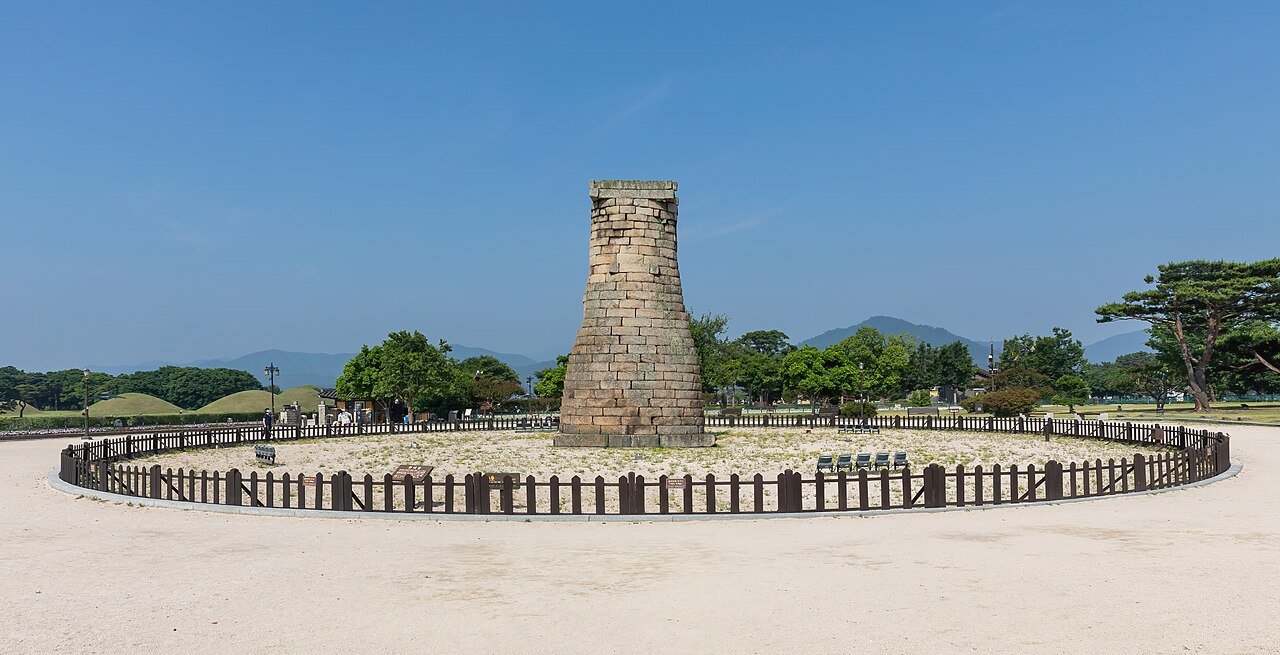
For nearly a thousand years Gyeongju was the capital of the Silla kingdom, and the whole town still reads like an open-air museum: grassy royal tombs rise up between coffee shops, and one of East Asia’s oldest observatories stands in a field you can simply wander into.
Getting there
KTX from Seoul Station to Gyeongju Station (renamed from “Singyeongju” in late 2023), around 2 h to 2 h 15 m on most services — the fastest make it in just under two hours — for ₩44,200 one-way (about US$37). There are roughly 17 departures a day, so you’re never waiting long. The station sits outside the old town; city buses and taxis cover the last stretch into the historic centre.
Your day
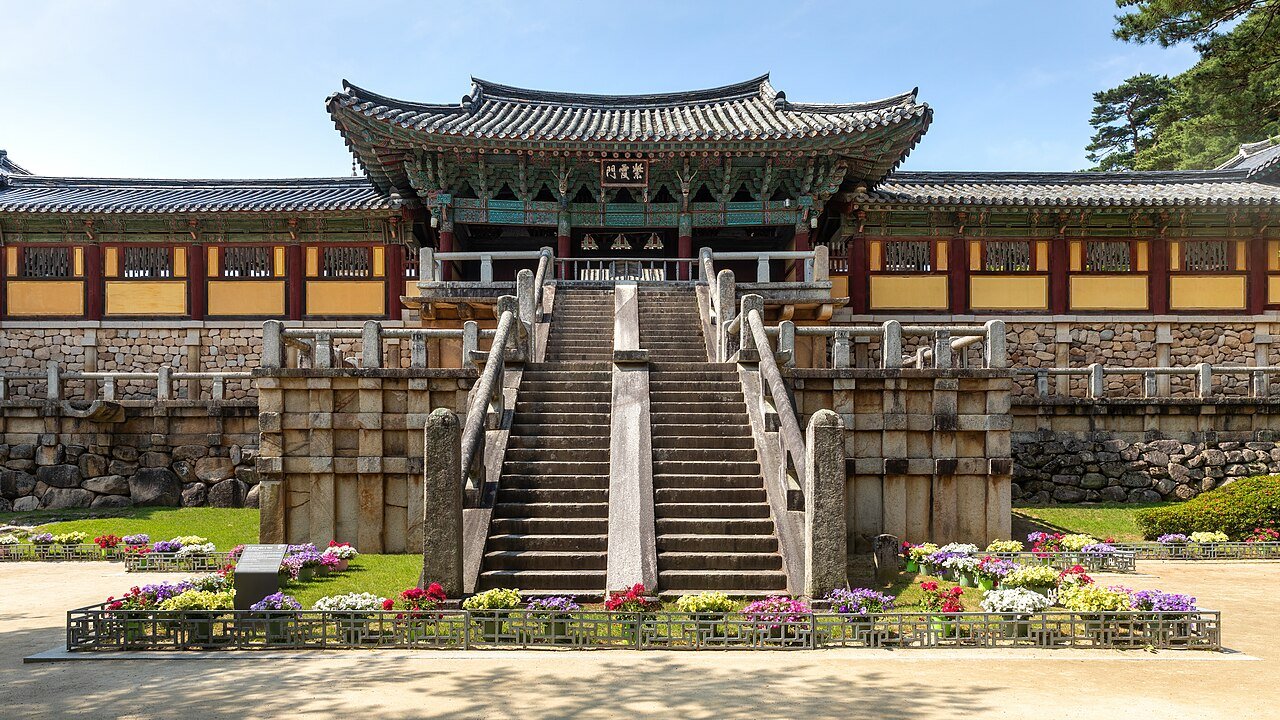
Start among the giant grass-covered mounds of Daereungwon Tumuli Park — they’re royal tombs, and walking between them is the town’s signature image. Stroll past Cheomseongdae, the seventh-century stone observatory, then break for lunch in the hanok cafés of the old quarter. In the afternoon, bus out to Bulguksa, the mountainside temple complex that makes every shortlist of Korea’s most beautiful places. If your return train is late enough, the historic centre lights up gorgeously after dark.
Good to know
This is the most ambitious trip of the five — the sights are spread out, so it rewards an early train and a rough plan. We’ve written a full, timed version in our Gyeongju day-trip guide. And if Busan is on your route anyway, note that Gyeongju sits only about 30 minutes from Busan by KTX — it can slot into that leg instead of a long out-and-back from Seoul.
Gangneung — beaches and coffee on the east coast
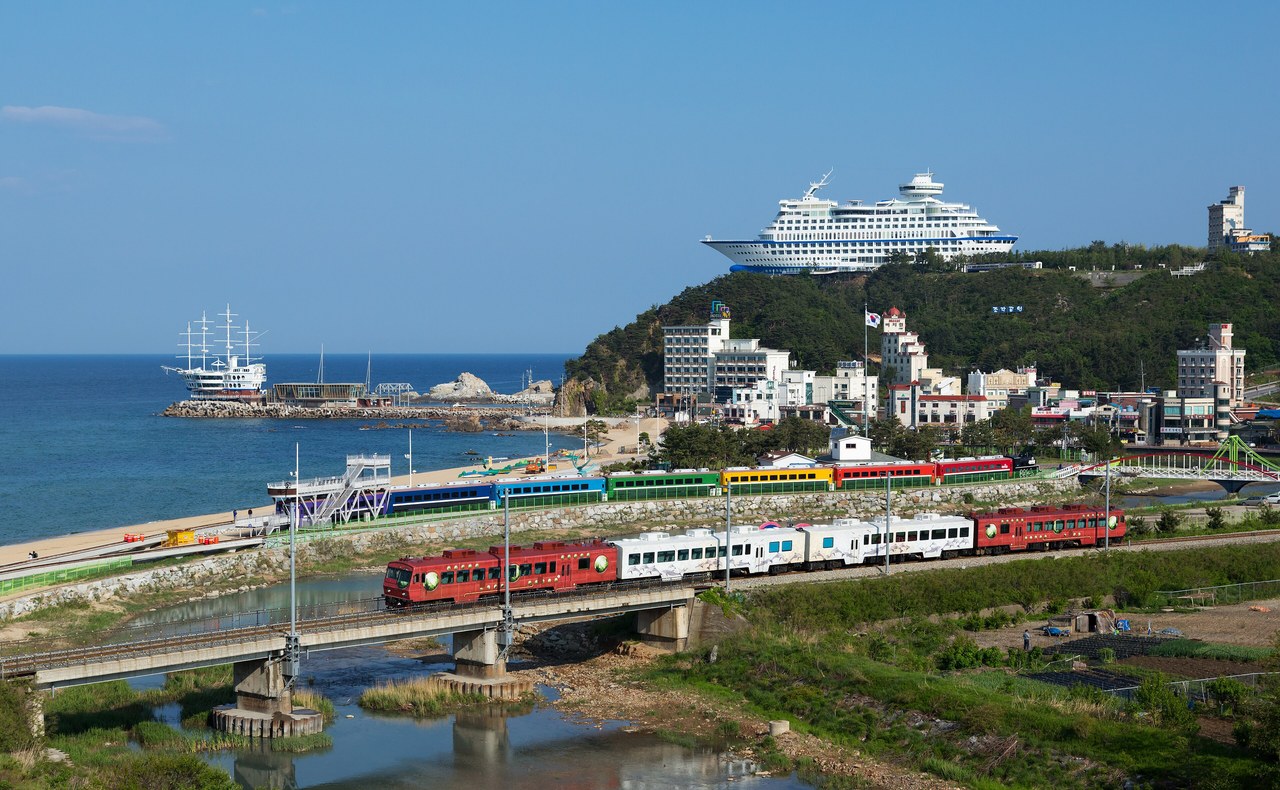
The KTX to Gangneung is the line that changed weekend culture in Seoul: it put the East Sea within two hours of the capital. The result is the easiest beach day in Korea — sand, pines, espresso, and a sunset train home.
Getting there
The Gangneung Line KTX leaves from Seoul Station and takes roughly two hours give or take, depending on stops, for ₩27,600 one-way. It also calls at Cheongnyangni in eastern Seoul (₩26,000, and a little quicker from there) — handy if you’re staying on that side of town.
Your day
Head straight for Gyeongpo Beach: a long, clean arc of sand with a pine forest and a lagoon behind it. Walk the shore, then make your way to Anmok coffee street, a strip of cafés facing the water — Gangneung is Korea’s unofficial coffee capital and takes the title seriously. If there’s room left, the local specialty is chodang sundubu, silky soft tofu made with seawater, served in quiet restaurants a short ride from the beach. Sunset from the sand, then the evening train back.
Good to know
This is the one day trip on the list that genuinely sells out: on summer weekends and holidays, every seat can be gone days in advance. Book your return leg at the same time as the outbound. The full rundown — beaches, buses, café picks — is in Gangneung by KTX.
Jeonju — hanok village and the best food in Korea
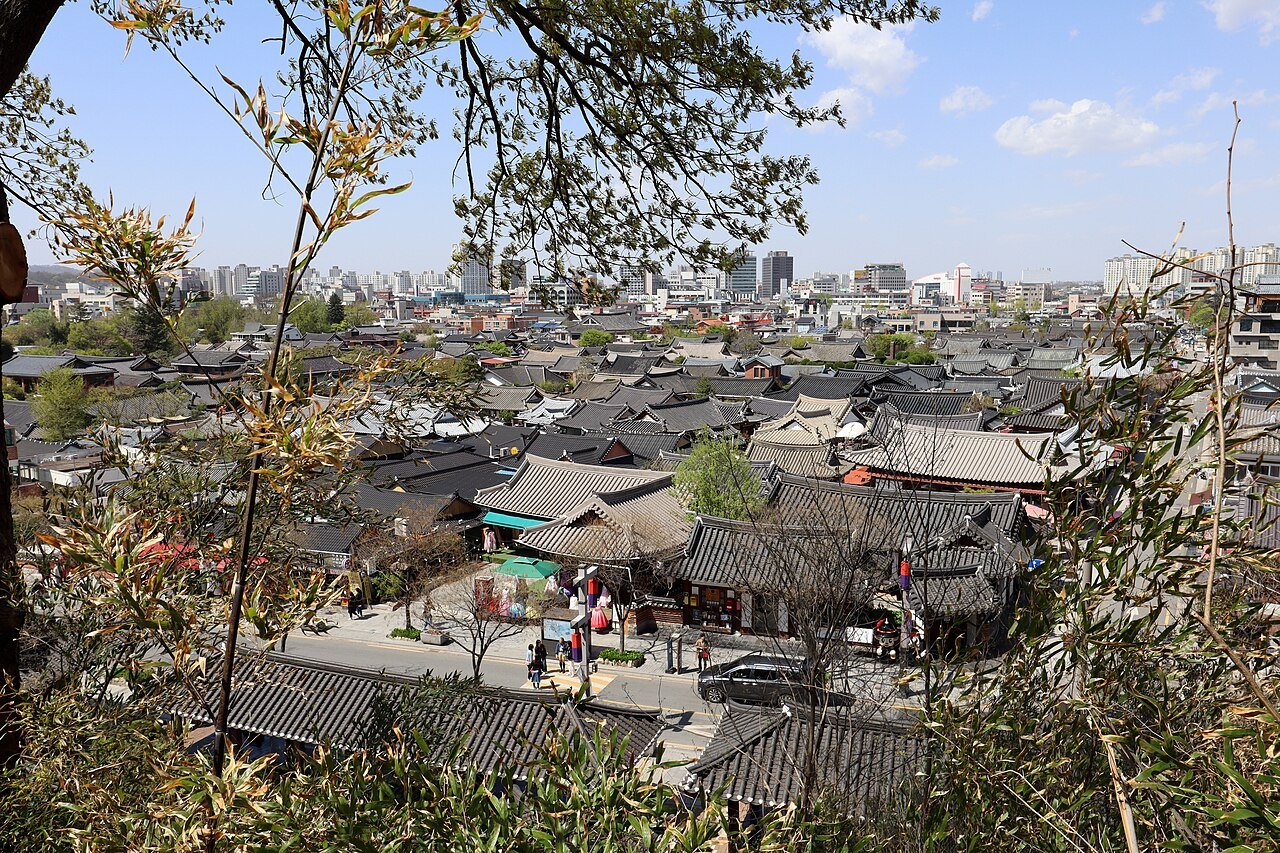
Ask Koreans where to eat and one city comes up again and again. Jeonju is the birthplace of bibimbap, the country’s most celebrated food town, and home to its largest hanok village — hundreds of traditional tile-roofed houses packed into one walkable district.
Getting there
Most Jeonju-bound KTX trains leave from Yongsan Station, not Seoul Station — double-check your ticket. The typical run is about 1 h 40 m (the fastest services are a shade under 1 h 30 m) for ₩31,300 one-way. From Jeonju Station it’s a short bus or taxi ride to the hanok village.
Your day
Give the morning to the hanok village lanes while they’re still quiet: the Gyeonggijeon shrine, the rooftop views, the alleys of craft shops. Lunch is non-negotiable — bibimbap in its hometown — and the street-food stalls will happily handle dessert; the locally famous chocolate pie has a cult following for a reason. In the afternoon, rent a hanbok if you’re in the mood (the village is full of rental shops, and yes, everyone does it), or climb to the Omokdae viewpoint for the classic sea-of-rooftops photo.
Good to know
Jeonju works fine as a day trip, but it’s the one most worth stretching into an overnight — the village is at its best in the early morning before the crowds arrive. Day plan or sleepover, the details are in our Jeonju hanok village guide.
Suwon — a UNESCO fortress, 30 minutes away
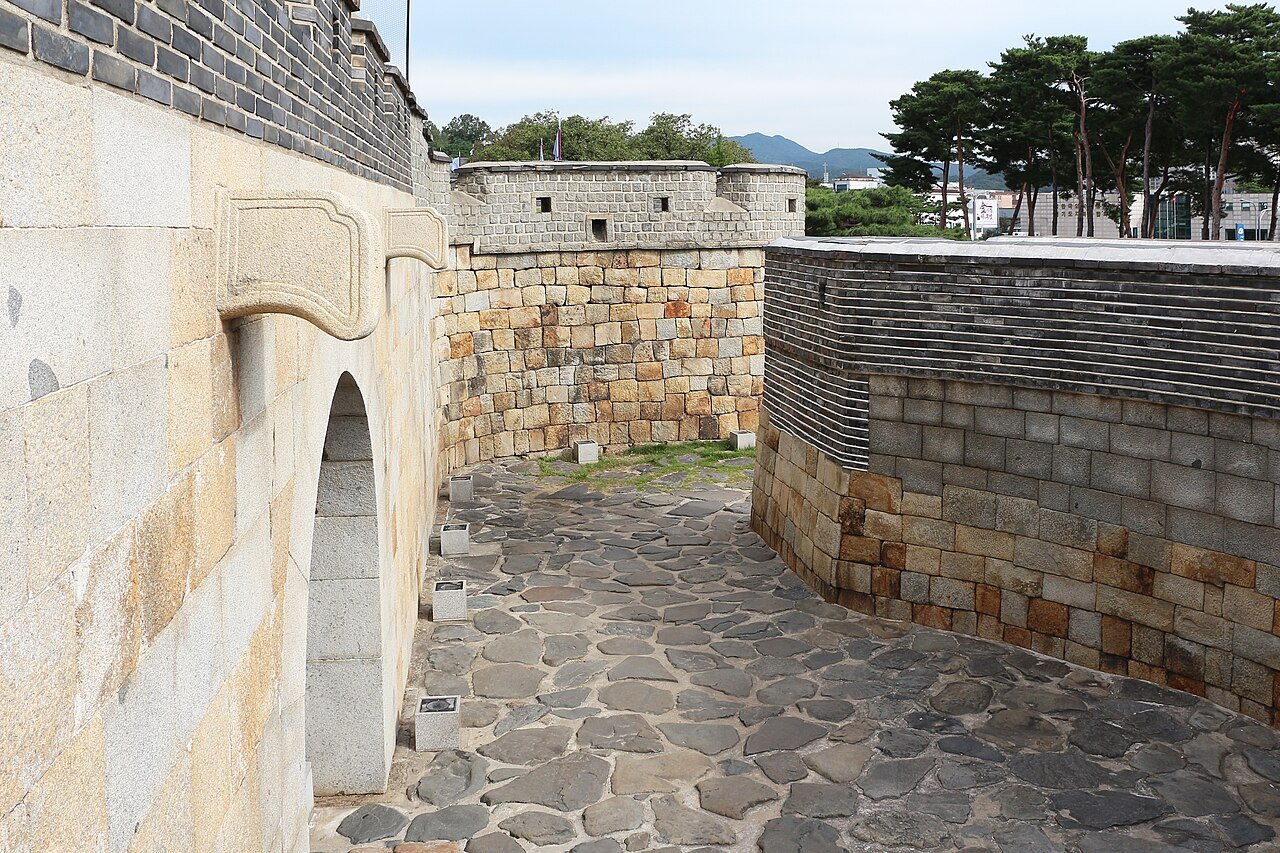
The easiest day trip in Korea, full stop. Suwon is so close that calling it a day trip almost oversells it — but it packs a UNESCO World Heritage fortress and one of the country’s great market-food scenes.
Getting there
Three easy options. The Mugunghwa from Seoul Station does it in about 25–30 minutes for ₩2,700 — barely more than a coffee. The ITX-Saemaeul covers the same run in a similar time for about ₩4,800. Or skip tickets entirely and ride subway Line 1 with your T-money card: 45–50 minutes on a regular train, a little less on an express, for a bit over ₩2,000.
Your day
Suwon’s centrepiece is Hwaseong Fortress, a ring of 18th-century walls circling the old city. Walk a stretch of the wall — the full loop takes a few hours, but even one section delivers the watchtowers, the grand gates, and long views over the rooftops. Then drop down to Paldalmun, the old south gate, where the surrounding market sprawl is the lunch plan: Suwon is famous for its king-size marinated galbi and for an entire alley of old-school fried-chicken halls tucked inside the market.
Good to know
No bookings, no sellouts, no planning. Suwon is the trip to keep in your back pocket for a half-free day or a jet-lagged first morning — and it’s the only trip on this list where T-money alone gets you there and back. The full walk-through — the gates, the palace, and a half-day plan — is in our Suwon day-trip guide.
Gapyeong and Chuncheon — Nami Island and dakgalbi by ITX
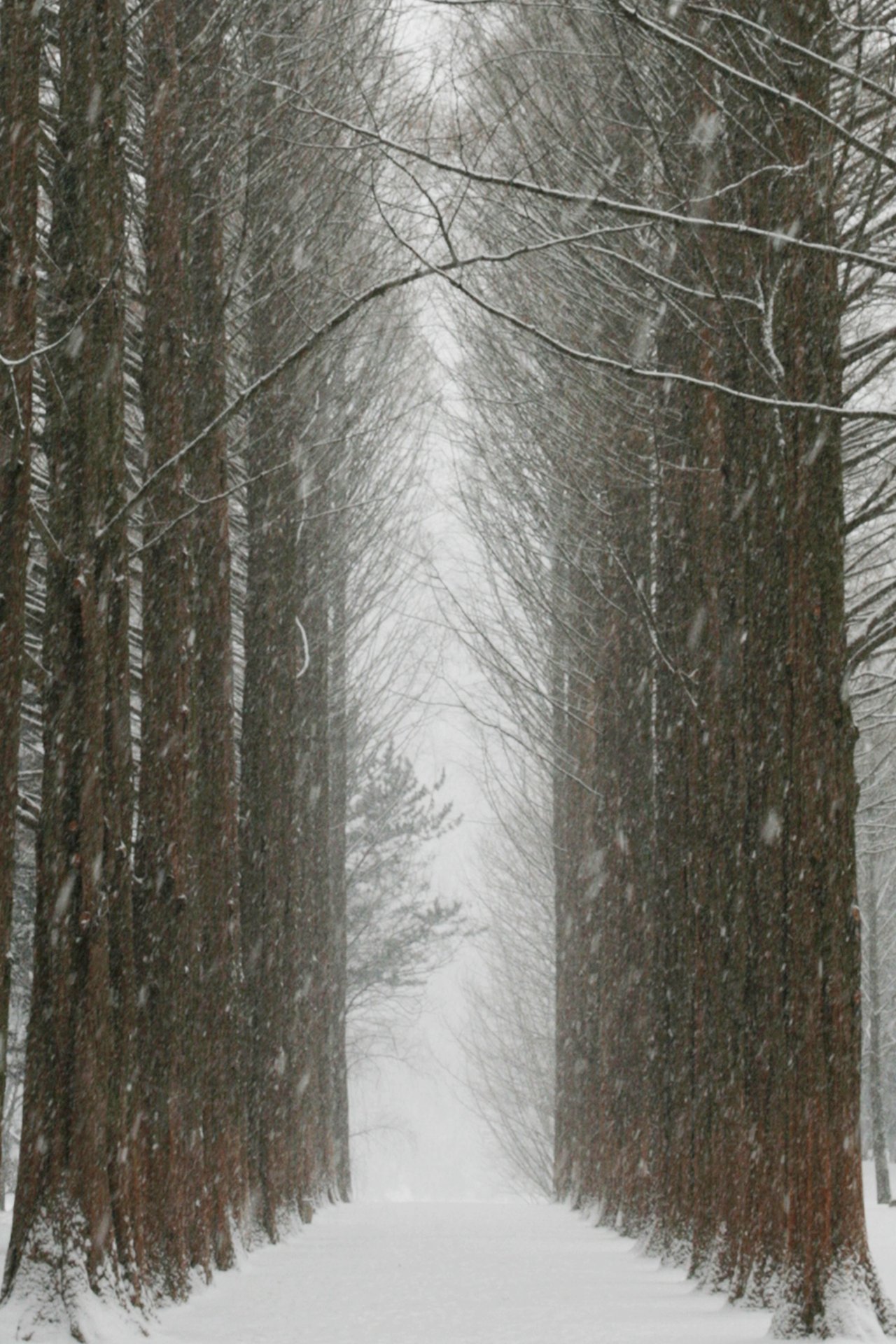
East of Seoul, the ITX-Cheongchun runs into lake-and-river country: Gapyeong, the jumping-off point for tree-lined Nami Island of K-drama fame, and Chuncheon, a lakeside town that gave Korea one of its best-loved dishes.
Getting there
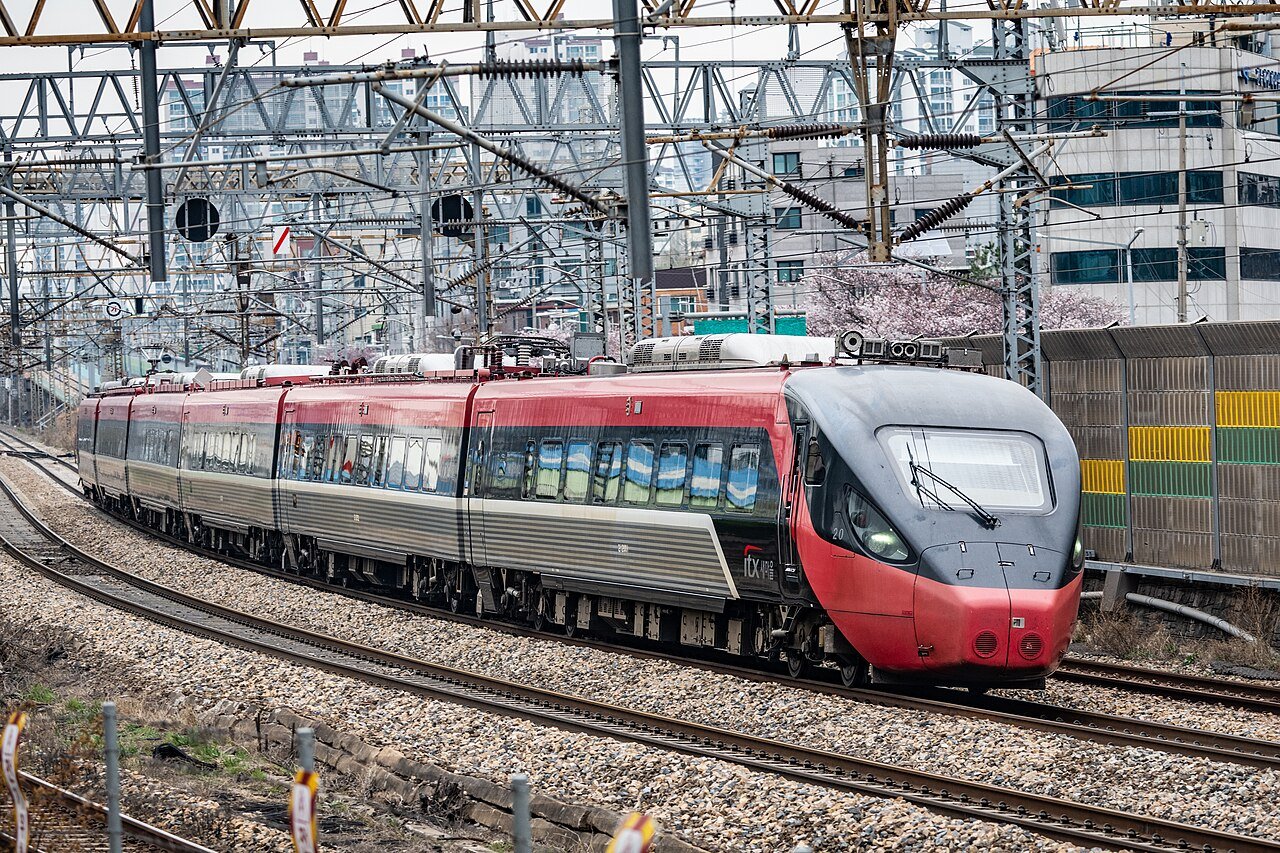
The ITX-Cheongchun departs Yongsan (also calling at Cheongnyangni) and reaches Gapyeong in about 50–60 minutes for ₩6,900, with Chuncheon roughly 25 minutes further on (₩9,800 from Yongsan). One thing catches almost everyone out: T-money does not work on the ITX-Cheongchun. It’s a proper Korail train with its own fare system, so book a seat in the app or buy at the station. (The slower Gyeongchun Line subway covers the same route and does take T-money, if you’d rather skip tickets altogether.)
A note on outdated info: plenty of older blog posts still quote ₩4,800 or ₩5,900 for this train. Those were discount-era fares that ended in 2021 — trust the price the booking screen shows you.
Your day
From Gapyeong Station, the Nami Island wharf is about 1.5 km away: a five-minute taxi (around ₩5,000), a local bus, or a twenty-minute walk. Entry to Nami Island is ₩19,000 and includes the round-trip ferry — you wander the famous tree avenues, rent a bike, and take far too many photos. The dramatic alternative: a zipwire from an 80-metre tower at the wharf, 940 metres over the water straight onto the island, at ₩55,000–58,000 including admission and the boat back.
Mid-afternoon, hop back on the same line to Chuncheon for a late lunch of dakgalbi — spicy stir-fried chicken with cabbage and rice cakes, the town’s signature dish, served in a whole downtown alley dedicated to it — then ride the ITX back to Yongsan.
Good to know
This is the gentlest day out on the list — water, trees, no museums — and the most popular with couples and families. Weekends get crowded; go midweek if you can, and reserve ITX seats rather than chancing it. The full plan — Nami Island, the rail bike, and where to eat the dakgalbi — is in our Chuncheon day-trip guide.
Autumn bonus: Hwadam Forest. From mid-October to mid-November, the other big leaf-peeping trip is Hwadam Forest, a hillside maple garden reached on the Gyeonggang Line to Gonjiam. It runs on timed tickets that foreigners must book online, so read our Hwadam Forest autumn guide before you go.
Do you need a Korail Pass for day trips?
For a single day trip: no. Individual tickets win, end of discussion — even the priciest trip here, Gyeongju, comes in under ₩100,000 round trip.
Stack several trips into one window, though, and the math changes. The Korail Pass — foreigners-only, unlimited KTX and most other Korail trains — comes in 2- and 4-day options (you use those travel days within a window) that feel purpose-built for day-trippers. Gyeongju, Gangneung, and Jeonju as three separate round trips come to ₩206,200 (about US$153) on individual tickets, against ₩186,000 for the 3-day pass — so at that point the pass wins, and pricing one up is worth ten minutes of your time. Every intercity train in this guide is Korail-run, and since the September 2026 merger folded the former SRT into Korail as KTX-Sancheon, the pass’s old headline exclusion no longer applies the way it used to.
Run your own numbers in Korail Pass: Is It Worth It?, and if you do buy one, here’s how to actually use it — including why you should still reserve seats on busy routes.
Booking notes (the short version)
Korean trains have no dynamic pricing — a ticket costs the same 30 days out or 30 minutes before departure, so booking early buys availability, not savings. Reservations open about 30 days ahead. One exception worth knowing: Korail discounts a limited block of seats on quieter departures through its online special fare — how that works.
Midweek, none of these trains is hard to get on the day. The exceptions: Gangneung in summer, anything on a national holiday, and Friday or Sunday evenings — book those the moment your plans firm up.
And the standing warning for foreign visitors: the Korail+ (formerly KorailTalk) app often rejects foreign cards silently — no error, no charge, no ticket. The reliable workarounds (Korail’s global website on a desktop, station counters, resellers) are all laid out in our foreign credit card booking guide.
One more thing: sort your data before you go
Day trips run on live information — checking the return timetable from a beach, finding the right bus stop for Bulguksa, navigating Suwon’s market lanes. Naver Maps handles all of it brilliantly, but only with a connection. If you haven’t decided how to stay online yet, start with whether you need data in Korea at all — for train travel, the short answer is yes.
Quick questions
Do I need to book these trains in advance? Midweek, mostly no — same-day works. Gangneung in summer, national holidays, and weekend evenings are the exceptions: book those as early as the 30-day window allows.
Can I use T-money for any of these trips? Suwon by subway, yes — that’s its whole charm. Everything else, no: the KTX, Mugunghwa, ITX-Saemaeul, and ITX-Cheongchun all need proper tickets.
Which trip is best with kids? Gapyeong — the ferry, the bike paths, and zero museum fatigue. Suwon is the easy second pick. On Korail trains, kids under six ride free on a lap and ages six to twelve pay half fare.
Can I do Busan as a day trip from Seoul? You can — about 2 h 30 m each way and ₩107,800 round trip — but it deserves at least a night. Here’s the full Seoul to Busan KTX guide for when you’re ready.
Which one should I pick if I only have one free day? History: Gyeongju. Food: Jeonju. Sea air: Gangneung. Zero planning: Suwon. K-drama romance: Gapyeong. There’s no wrong answer on this list.
Is Nami Island’s ₩19,000 fee on top of the ferry? No — it includes the round-trip ferry. The zipwire options (₩55,000–58,000) also include island admission and the boat back.
Related guides
- How to Travel Korea by Train — the whole system, explained once.
- 5 Days in Korea by KTX — turn three of these day trips into one smooth loop.
- Seoul to Busan by KTX — ready for an overnight? The classic long leg.
- Korail Pass: Is It Worth It? — honest math, no upsell.
- How to Book KTX with a Foreign Credit Card — fix the payment problem before it finds you.
🔗 Affiliate disclosure: Some links on this site are affiliate links. If you book through them, we may earn a small commission at no extra cost to you. We only recommend services we believe are genuinely useful for train travel in Korea.