Foreign Card Won’t Work on KTX? Here’s How to Book It (2026)

🔗 Some links on this site are affiliate links. If you book through them, we may earn a small commission at no extra cost to you. We only recommend services we believe are genuinely useful for train travel in Korea.
You found your KTX train, picked your seats, tapped Pay — and the app just did nothing. No error message. No charge on your card. No ticket. Just a spinner that gave up, or a screen that quietly bounced you back to the start.
If that’s where you are right now, take a breath: your card is fine. Your bank isn’t blocking you. The plumbing on Korea’s domestic booking app simply wasn’t built for foreign cards, and when it fails it tends to fail silently — the worst kind of failure, because there’s nothing to fix.
The good news is that booking a KTX ticket as a foreigner is a completely solved problem in 2026. There are five reliable ways to do it, and at least one of them will work for you in the next ten minutes. Let’s get you on that train.
The 60-second fix list
In a hurry? Here’s the whole guide in four bullets:
- Use the desktop Korail global site, not the app. The English website in a laptop browser is the most reliable foreign-card checkout there is. This is the answer for most people.
- Or buy at a station counter. Always works. Bring your passport. The only risk is that the train’s already sold out.
- Or use a reseller (Klook, Trip.com). Tiny markup, normal international checkout, ticket in seconds.
- Or grab a Korail Pass. It’s sold on tourist-facing sites, so it sidesteps the card problem entirely. On price it only wins on a packed itinerary — roughly six long-distance legs or more.
That’s it. The rest of this guide just explains each route so you can pick the right one. Skim or skip — your call.
Already know you’d rather skip the card dance entirely? A reseller or a Korail Pass books through a normal international checkout — no silent rejections:
Why your foreign card keeps getting rejected

Quick, honest version, no tech rant: Korean online payment grew up around domestic bank cards and local payment apps. Checkout flows assume you have a Korean card, often a Korean phone number for SMS verification, and a name that matches a Korean-style record exactly.
When an international Visa or Mastercard hits that flow, it gets pushed through an extra verification layer that frequently breaks — and the Korail+ (formerly KorailTalk) app doesn’t surface the failure. It just declines and moves on, with no charge and no explanation. The desktop global site handles international cards far more gracefully, which is exactly why it’s the method we lead with.
None of this is your fault, and none of it means Korea is hard to travel. It’s one rough edge on an otherwise world-class rail system.
Method 1 — Korail global website on a desktop (most reliable)
If you only do one thing, do this. Booking on the English Korail global site in a desktop or laptop browser is the most dependable foreign-card checkout available — markedly better than the phone app.
Step by step:
- Open the Korail global (English) site in Chrome on a laptop or desktop. A real browser on a real computer is the magic ingredient; the mobile app and mobile browsers are flakier.
- Search your train — pick your date, departure and arrival stations, and time.
- Choose your seats from the seat map (standard or first class).
- Pay with your Visa or Mastercard. Type your name exactly as it appears on the card. International cards are widely accepted here.
- Get your e-ticket on your phone. It shows on your screen — no printing needed. Korea’s rail runs on an honor system, so you just show or hold the e-ticket; staff occasionally scan onboard.
No Korean phone number required, no app, no printer. For the wider picture of every purchase route, see How to Buy KTX Tickets.
Method 2 — The Korail+ app (try once, then move on)
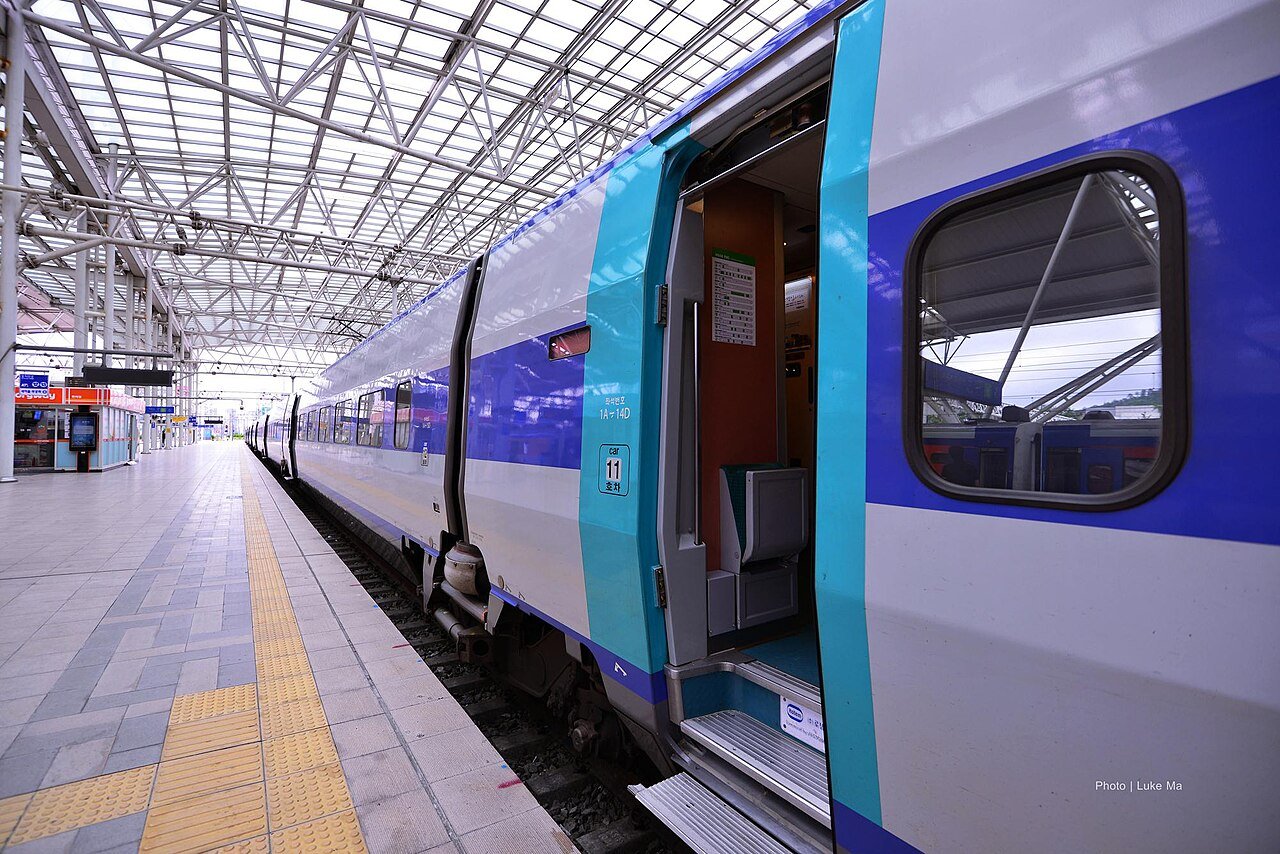
The official Korail+ app is genuinely good. It’s in English (language settings are in the top-right menu), the seat maps are clear, and plenty of travelers get all the way through.
The catch is the last step. At payment, foreign cards often fail silently — no error, no charge, no ticket — for exactly the reasons above. It’s worth one attempt if you’re already in the app, but here’s the rule: if it fails once, don’t keep retrying. Repeated attempts won’t change the outcome, and you risk confusing yourself about whether you’ve actually been charged (you haven’t).
When it does that to you, switch to the desktop site or a counter — and if you want the full troubleshooting playbook, we wrote one: KorailTalk app not working.
Method 3 — Station ticket counter (the guaranteed fallback)

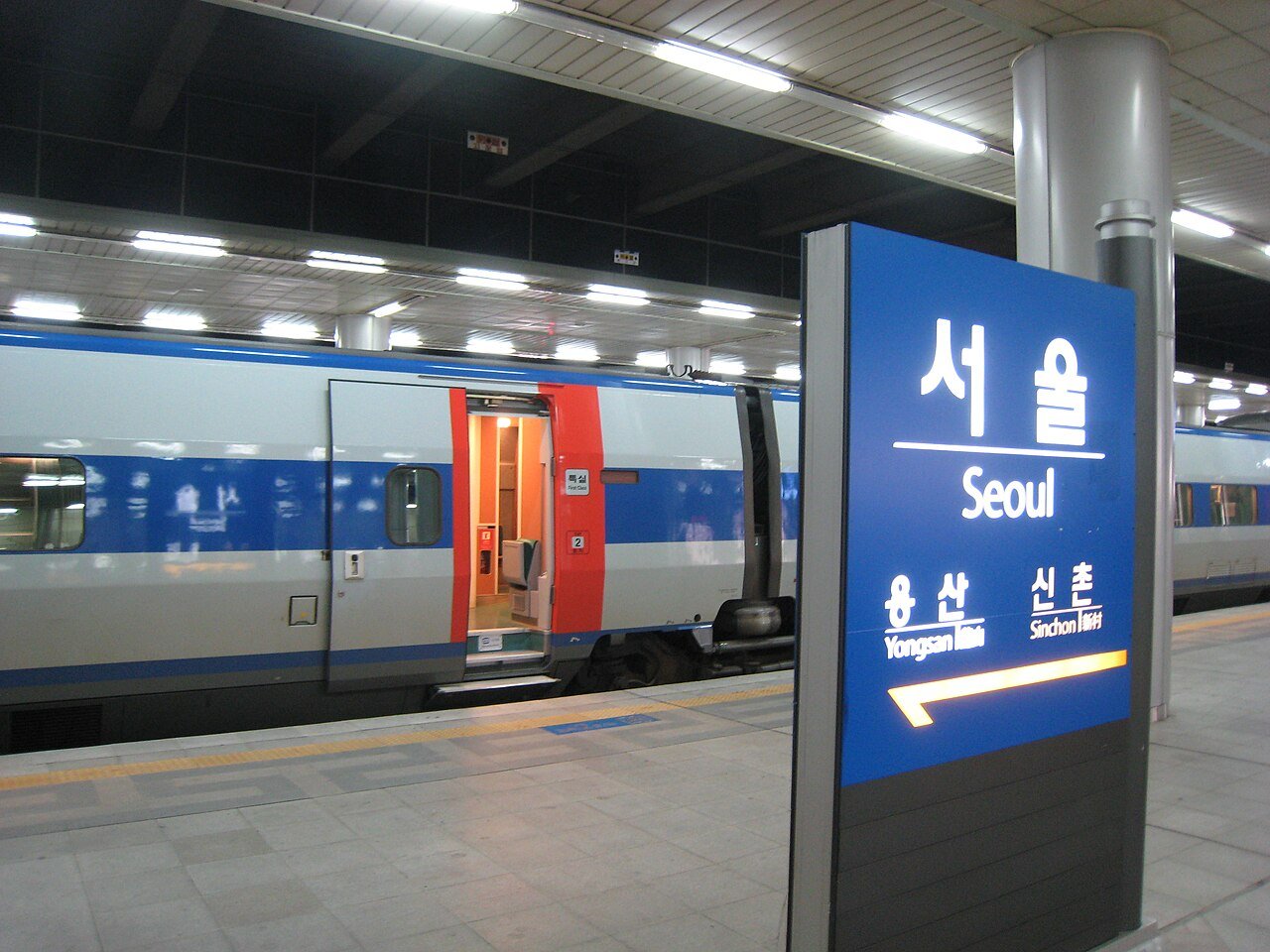
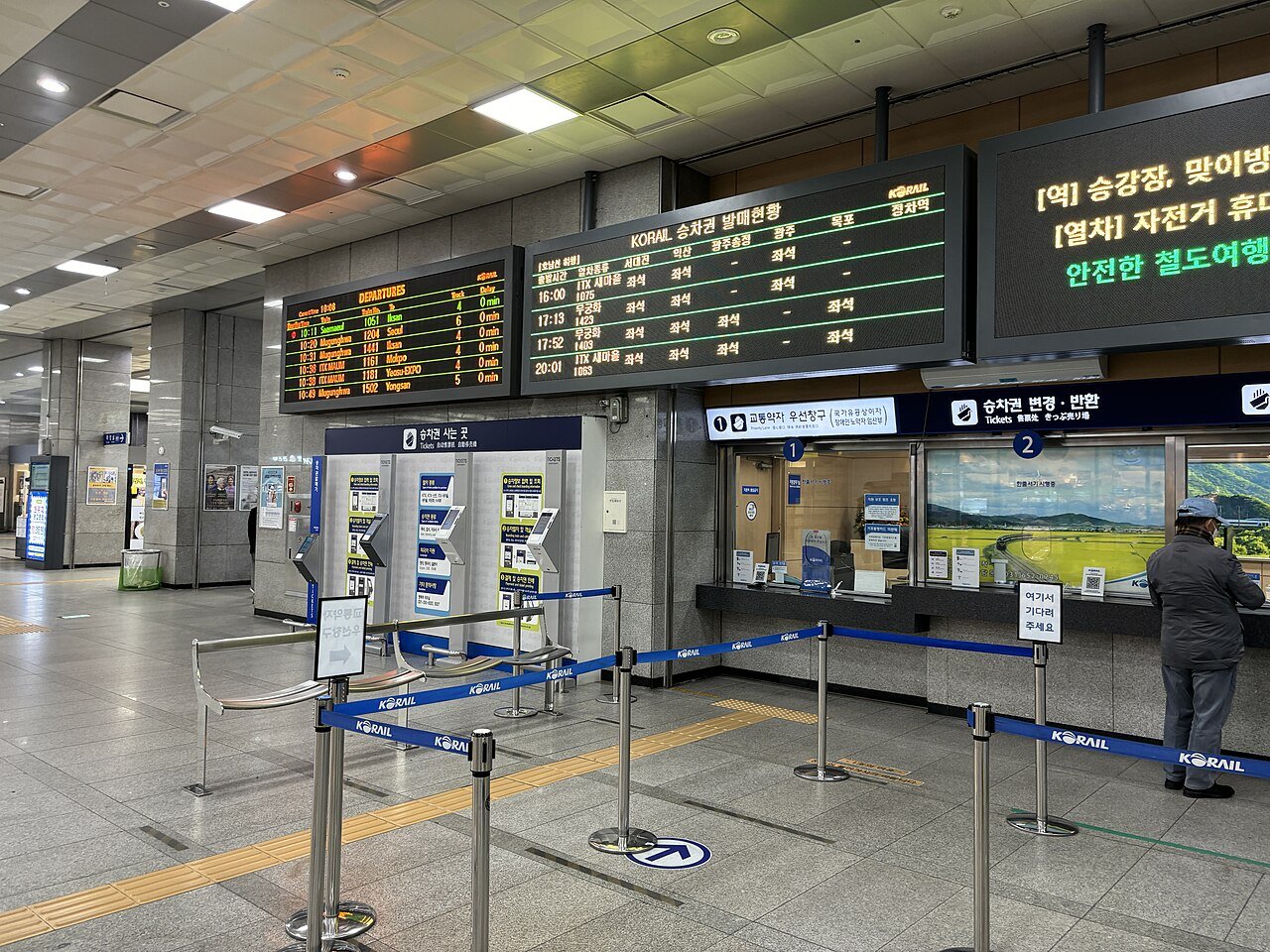
This one never fails. Walk up to a ticket counter at any major station, show your passport, say where and when you want to go, and pay. Seoul Station and Yongsan Station have dedicated foreigner service counters with English-speaking staff; there are self-service machines too, with an English-language option.
The single risk here is timing: the train you want may be sold out by the time you reach the window, especially on busy departures. If you’re buying same-day for a Friday-evening train, that’s a real gamble. For an off-peak weekday trip, the counter is foolproof.
If you’ve got time before your train, the area around the station is worth a wander — see things to do near Seoul Station.
Method 4 — Resellers (Klook, Trip.com)
Platforms like Klook and Trip.com resell KTX tickets through a checkout that’s built for international cards. There’s usually a small markup or service fee, but the trade is a clean, instant, frictionless payment — no silent rejections, no Korean phone number, no guessing.
For a lot of travelers that’s a fair deal: a couple of dollars to skip the headache entirely. The flip side is the markup and the fact that you’re one step removed from Korail’s own system, so for a single ticket many people prefer the free desktop route. Your call.
Method 5 — Skip payment entirely with a Korail Pass
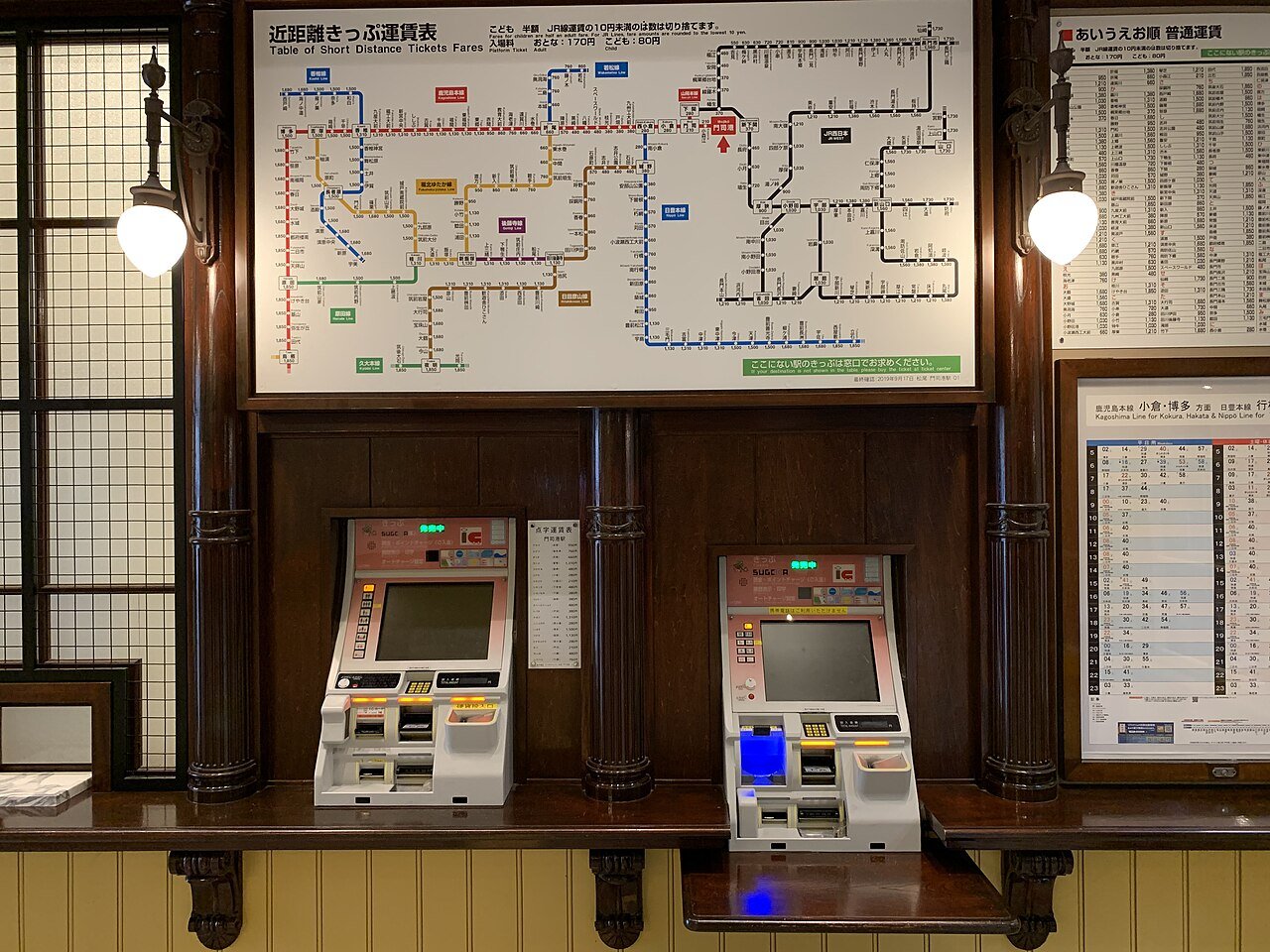
Here’s the elegant move. A Korail Pass — a foreigners-only pass that gives you unlimited rides on Korail trains (including KTX) for a set number of days — is sold on tourist-facing sites, which means it never touches the broken app checkout. You buy the pass abroad with your normal card, then reserve seats trip by trip without paying again.
It can also be cheaper. A single Seoul–Busan KTX trip is ₩53,900 (about US$41) one-way, so the pass only starts to pay for itself at around six long-distance legs — a properly packed loop of the country, not a round trip with a day trip attached. The September 2026 fare cut moved that line: tickets got cheaper, pass prices did not.
It isn’t always the winner. If Seoul ⇄ Busan is your only intercity hop, the round trip at ₩107,800 beats any pass. Run the honest numbers in Korail Pass: Is It Worth It?, and once you’ve got one, here’s how to actually use it.
The five methods, side by side
| Method | Reliability for foreign cards | Fee | Best for |
|---|---|---|---|
| Desktop global site | High — the most reliable | None | Most travelers; single tickets |
| Korail+ app | Low — often fails silently | None | Worth one try if already in it |
| Station counter | Always works | None | Walk-ups with flexible timing |
| Reseller (Klook/Trip.com) | High | Small markup | Skipping all friction, instantly |
| Korail Pass | High — sidesteps card issue | Pass price | Packed trips, about six long legs up |
A note on fares and timing
Two things that surprise first-timers.
First, KTX fares are fixed. Korail doesn’t do airline-style dynamic pricing — a standard Seoul–Busan ticket is ₩53,900 (about US$41) whether you book 30 days out or 30 minutes before departure. First class is about ₩78,400. So “book early” in Korea isn’t about a cheaper price; it’s about securing a seat, not a fare. One exception worth knowing: Korail discounts a limited block of seats on quieter departures through its online special fare — how that works.
Second, the booking window opens about 30 days before travel. What actually sells out — and when — follows clear patterns:
- Friday and Sunday evenings (the weekend rush, both directions).
- Summer beach weekends, when half the country heads to the coast.
- Seollal and Chuseok holidays — the two big national holidays, when everyone travels home at once. These are the hardest tickets of the year; book the moment your dates firm up.
A quiet Tuesday-morning train you can usually buy on the spot. A holiday departure you cannot. Plan accordingly. If you want the bigger picture of routes, passes, and timing all in one place, our pillar guide pulls it together: how to travel Korea by train.
Refunds and changes

You can change or refund KTX tickets, but expect fees — and here’s the honest caveat: those fees generally grow as departure approaches (a ticket cancelled days ahead costs less than one cancelled minutes before the train). The exact fee schedule shifts over time and varies by ticket type, so rather than quote a number that might be stale, check the current refund and change policy on the same site where you booked before you buy. The headline: cancel early if your plans change, and you’ll pay less.
Before you travel: data that works on arrival

Every method above quietly assumes you can get online the moment you land — to pull up your e-ticket at the gate, read the Korean-only signs that the app translates, and navigate a big station on day one. That’s exactly the moment airport Wi-Fi lets you down.
An eSIM you activate before flying means your data is live before you even reach the platform — no SIM-swap counter, no hunting for a shop. If you’re weighing whether you even need it, we lay it out plainly in do you need data in Korea and the full setup in our eSIM for Korea guide.
Quick questions
Can I really not use my card on the app? Sometimes it works, often it doesn’t — and when it fails, it fails silently with no charge. Don’t fight it. Use the desktop global site, a counter, a reseller, or a Korail Pass instead.
Do I need to print the e-ticket? No. KTX e-tickets display on your phone, and the Korail Pass is scanned from your device. There are no ticket gates; just show or hold your ticket, and staff may scan onboard.
Can I buy at the station with a foreign card? Yes. Station counters and machines accept foreign cards reliably — bring your passport. The only catch is that the train may already be sold out.
Is a Korean phone number required? Not for the methods we recommend. The desktop global site, station counters, resellers, and the Korail Pass all work without one. A few discounted fares inside the app may still ask for a Korean number — another reason to skip the app.
How early should I book? The window opens about 30 days out. Off-peak weekday trains you can often grab same-day; for Friday/Sunday evenings, summer weekends, and the Seollal and Chuseok holidays, book as soon as your plans are firm. Remember: it’s about getting a seat, not a better price.
Which method should I just use? For most people: the desktop Korail global site. If your itinerary is packed enough to run to about six long legs, price the Korail Pass first. If you want zero friction, a reseller. And there’s always the station counter as a guaranteed backup.
Related guides
- How to Buy KTX Tickets — all five purchase routes, compared in one place.
- Seoul to Busan by KTX — the most popular route, step by step.
- KorailTalk App Not Working? — the full fix-it playbook when the app misbehaves.
- Korail Pass: Is It Worth It? — honest math on whether the pass beats individual tickets.
- How to Travel Korea by Train — the hub for routes, passes, and everything above.
🔗 Affiliate disclosure: Some links on this site are affiliate links. If you book through them, we may earn a small commission at no extra cost to you. We only recommend services we believe are genuinely useful for train travel in Korea.