How Much Money for a Week in Korea? Real Budget Breakdown (2026)
🔗 Some links on this site are affiliate links. If you book through them, we may earn a small commission at no extra cost to you. We only recommend services we believe are genuinely useful for train travel in Korea.
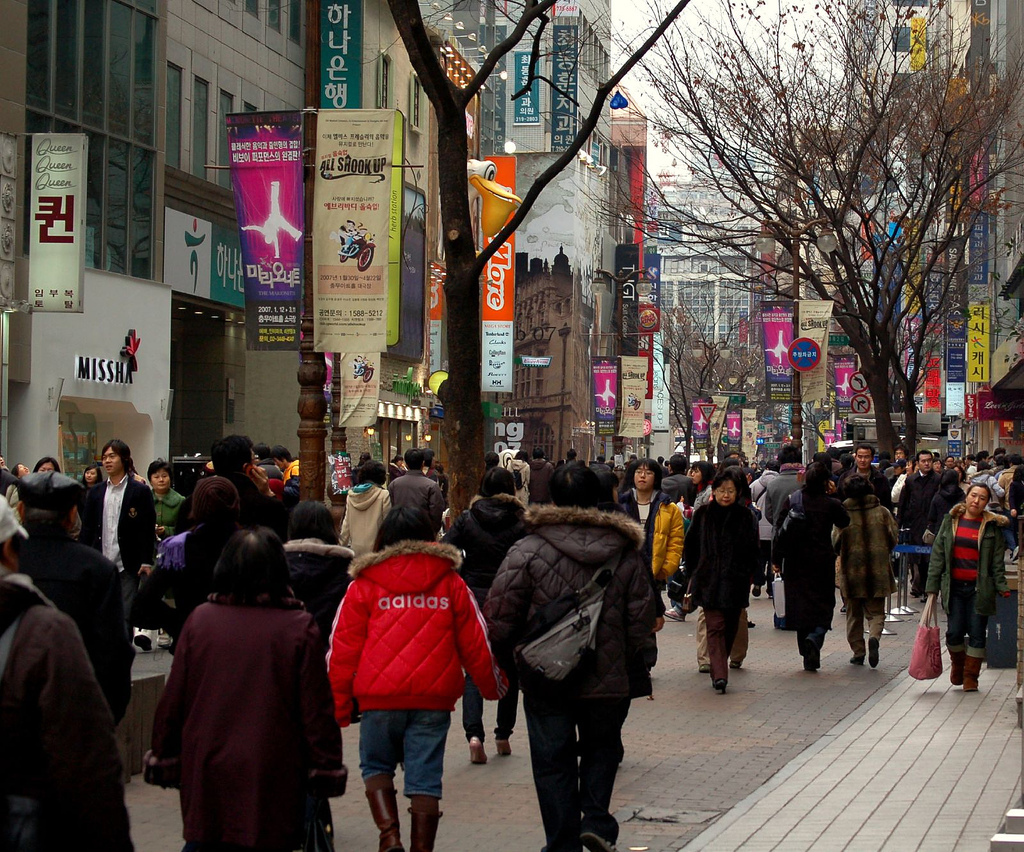
How much does a week in Korea cost? Honestly, anywhere from about US$700 to US$2,500 per person depending on how you sleep, eat, and move around — and the single biggest lever is how many cities you visit by train. This guide breaks it down into real numbers: daily budget tiers, what each category actually costs in 2026, a fully worked 7-day sample, and the moves that save the most.
All prices are 2026 figures in Korean won (₩) with rough US dollar conversions at about ₩1,520 to US$1. Exchange rates move, so treat the dollar figures as a guide, not gospel.
At-a-glance: three daily budget tiers
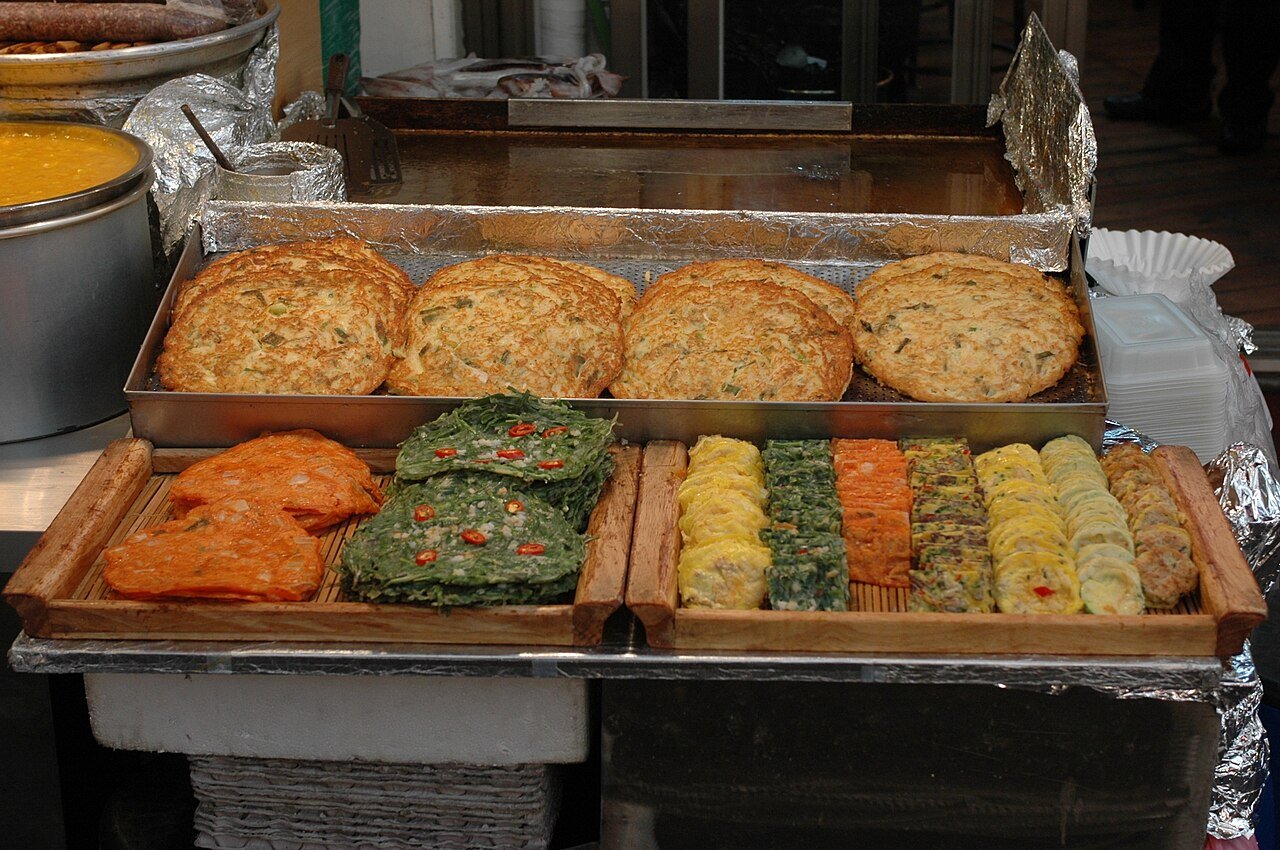
Here’s the fast version. These are per-person daily spends excluding intercity trains and flights (we handle those separately, because a Korail Pass changes the math).
| Style | Per day | Per week | Who it’s for |
|---|---|---|---|
| Backpacker | ₩60,000–90,000 (~US$40–60) | ~US$280–420 | Hostels, street food, subways only |
| Mid-range | ₩130,000–200,000 (~US$85–130) | ~US$600–910 | 3-star hotels, mix of restaurants, a few paid sights |
| Comfort | ₩280,000+ (~US$185+) | ~US$1,300+ | 4-star+ hotels, nicer dinners, taxis, tours |
Add intercity trains on top (a multi-city week is roughly ₩120,000–280,000 / US$80–185 in KTX fares or one Korail Pass), plus your flights and your eSIM. We’ll total a realistic week at the end.
The good news: Korea is one of the easier countries to eat and get around cheaply without feeling like you’re roughing it. Where it bites is central-Seoul hotels and, if you’re not careful, intercity train fares.
Accommodation: your biggest variable
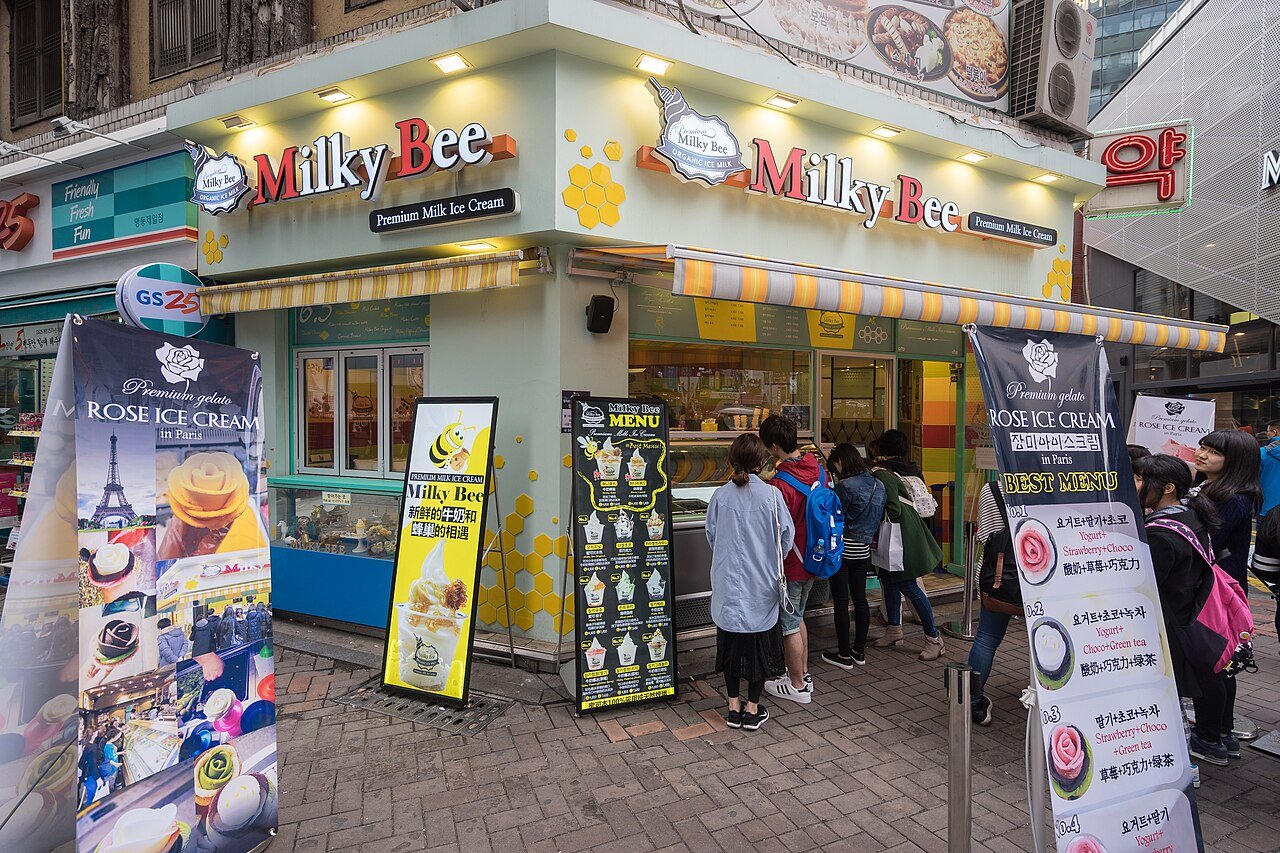
Where you sleep swings your budget more than anything else.
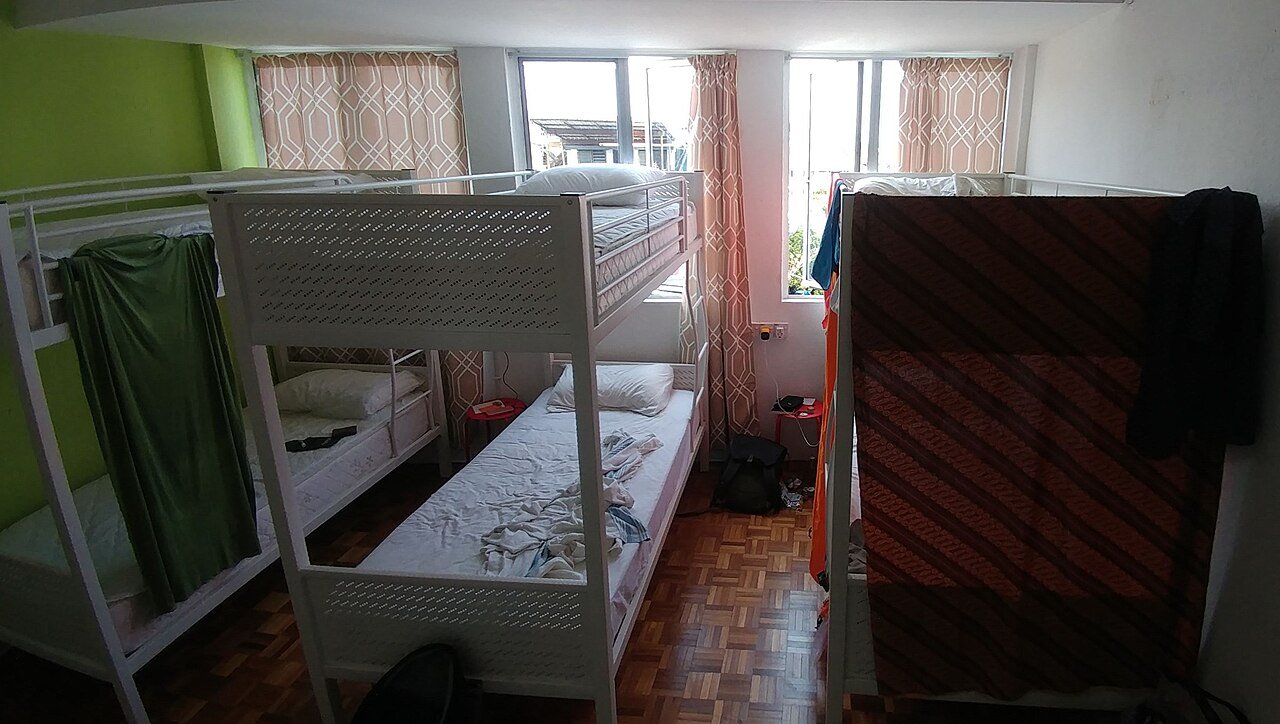
- Hostels and guesthouses — A dorm bed runs roughly ₩25,000–45,000 (~US$17–30) a night; a private room in a guesthouse is often ₩45,000–70,000. Great value, and Korea’s hostels are clean and well-run.
- Mid-range hotels and good officetels — Expect ₩80,000–140,000 (~US$55–90) a night for a solid 3-star or a business hotel. This is the sweet spot most travelers land in.
- Comfort and 4-star+ — ₩180,000–350,000+ (~US$120–230+), more in central Seoul (Myeongdong, Hongdae, Gangnam) and during peak season.
Two ways to keep this down: stay one subway transfer outside the absolute center (you give up a 10-minute walk, not access), and book a place near a major train station if you’re doing day trips — it shaves taxi fares and morning stress. Prices climb in spring (cherry blossom), autumn foliage, and around Korean holidays, so book those windows early.
Food: how to eat well on almost any budget
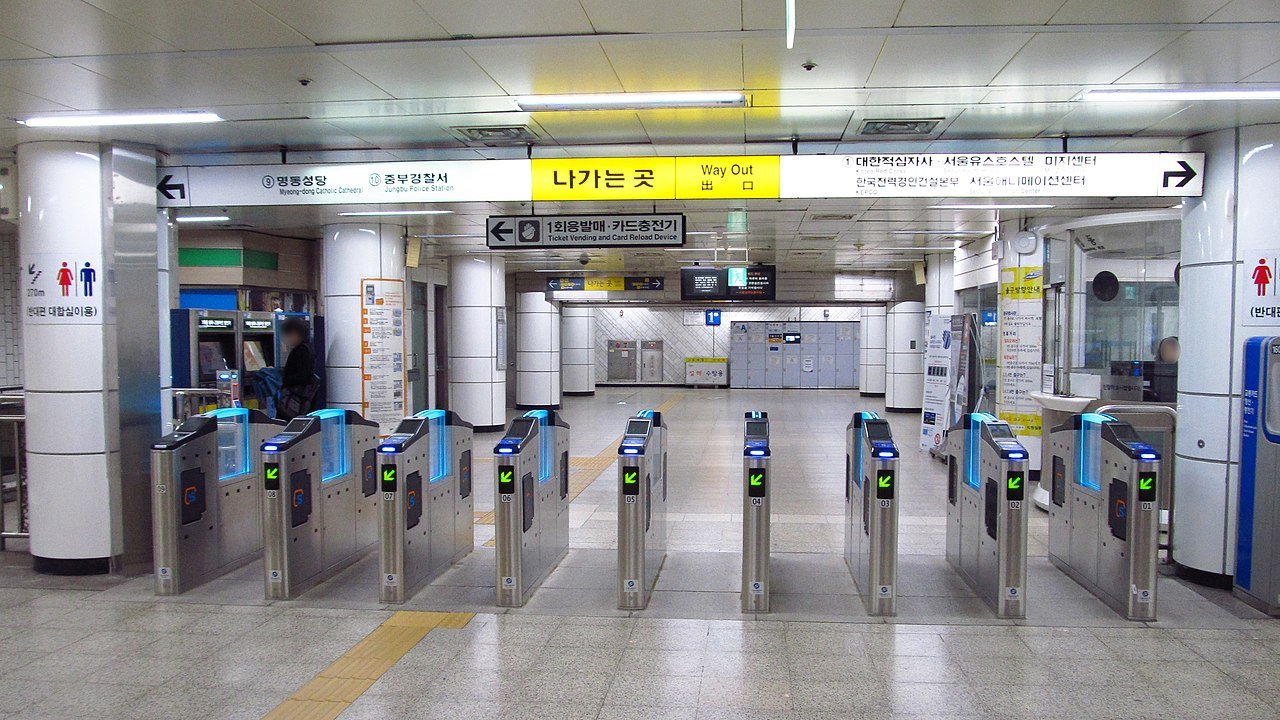
This is where Korea rewards you. You can eat genuinely well for very little.
- Convenience stores (CU, GS25, 7-Eleven) — A triangle kimbap is around ₩1,200, a hot meal box ₩4,000–6,000, instant ramyeon you cook at the in-store kettle for ₩1,500. A full convenience-store day can land under ₩12,000 (~US$8).
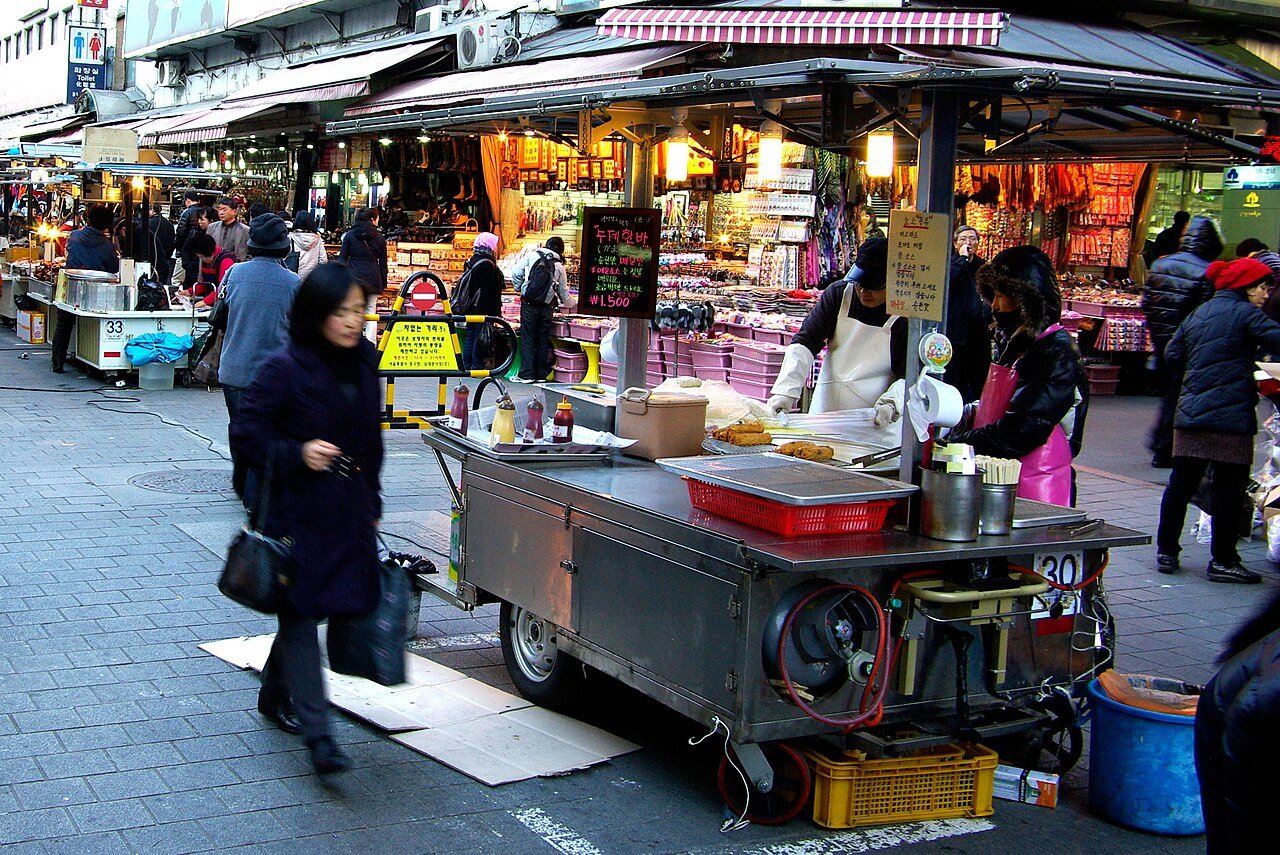
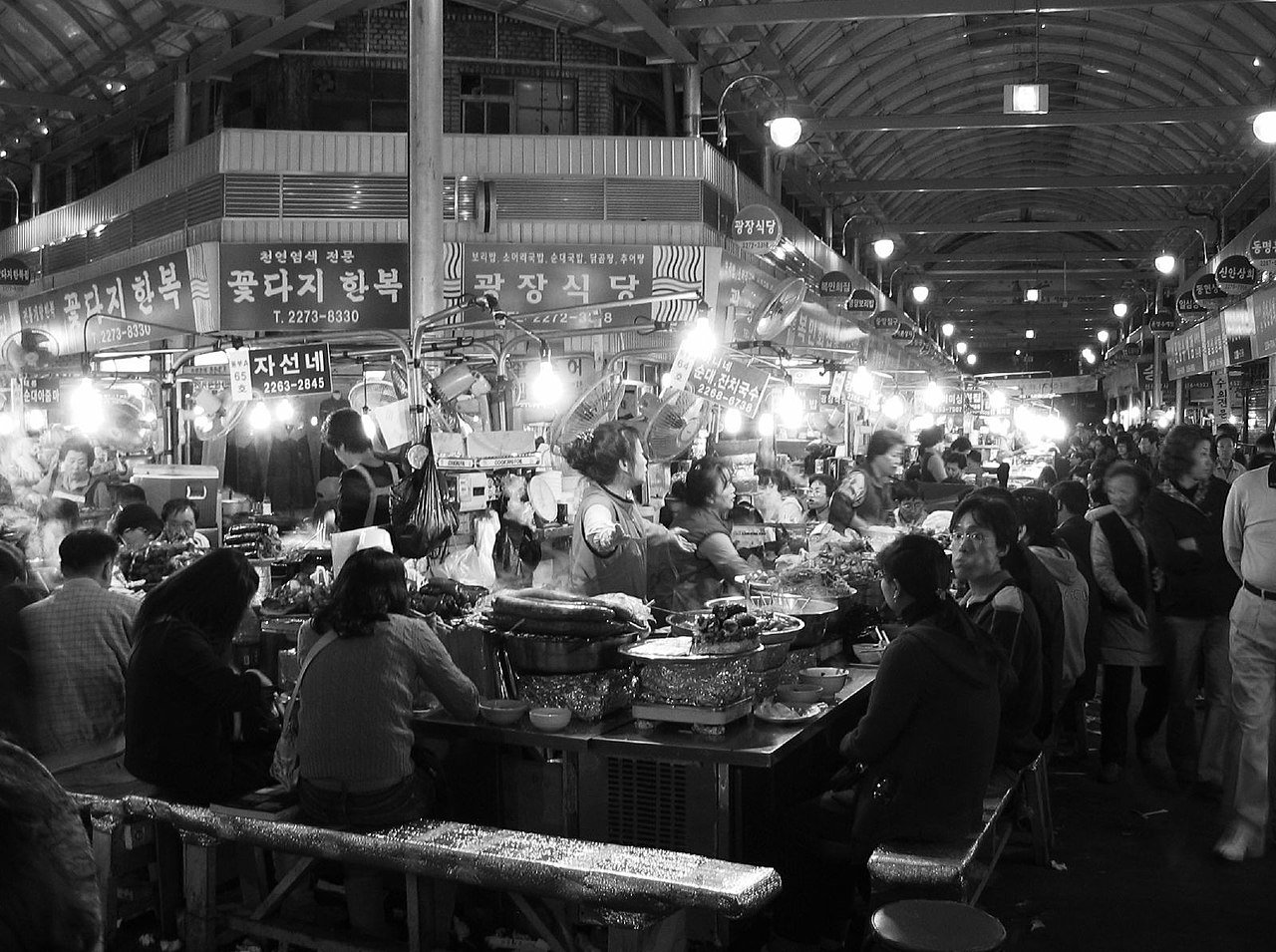
- Street food and markets — Tteokbokki, hotteok, gimbap, fishcake skewers: most snacks are ₩2,000–5,000. A market lunch (Gwangjang, Namdaemun, BIFF in Busan) is ₩6,000–10,000.
- Local restaurants — A bowl of kalguksu, bibimbap, or a gukbap is ₩8,000–12,000. Korean BBQ is pricier — figure ₩15,000–25,000 per person for the meat, and it’s usually a two-person-minimum affair.
- Cafés — Korea’s café game is strong; an Americano is ₩4,000–5,500, a fancy dessert café more.
Realistic daily food budgets: ₩20,000–30,000 (~US$13–20) if you lean street food and convenience stores, ₩40,000–60,000 (~US$26–40) mixing in sit-down meals, and open-ended if you’re doing premium BBQ and cocktails. Tap water is free and safe, refills are free, and there’s no tipping — the price you see is the price you pay.
Transport: trains, T-money, and getting around
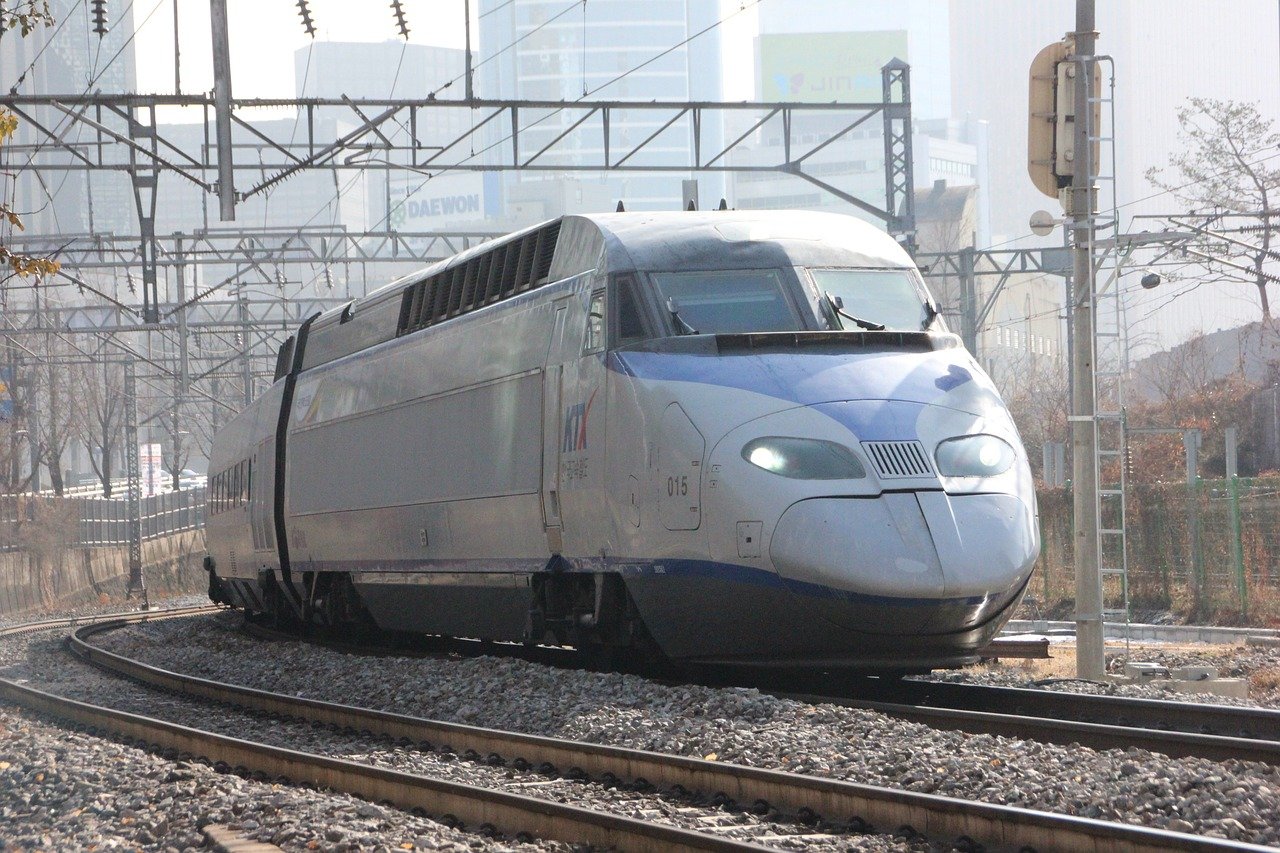
Korea splits into two transport buckets: cheap local and variable intercity.
Local transport (very cheap)
Get a T-money card (about ₩3,000 for the card, reloadable at any convenience store or station machine) and tap it for everything. The Seoul subway base fare is ₩1,550 for the first stretch, with small add-ons for distance, and transfers between subway and bus are largely free within the time window. Realistically, a full day of subway-and-bus hopping costs ₩4,000–7,000 (~US$3–5). City buses are the same base fare. Taxis start around ₩4,800 in Seoul and are reasonable for short hops or late nights.
Intercity transport (the big lever)
This is where a multi-city trip lives or dies. KTX fares are fixed — there’s no dynamic pricing, so the same seat costs the same whether you book a month out or that morning. Sample standard one-way KTX fares in 2026: One exception worth knowing: Korail discounts a limited block of seats on quieter departures through its online special fare — how that works.
| Route | Fare | Time |
|---|---|---|
| Seoul → Busan | ₩53,900 (~US$36) | about 2h 40m |
| Seoul → Gangneung | ₩27,600 (~US$18) | about 2h |
| Seoul/Yongsan → Jeonju | ₩31,300 (~US$23) | about 1h 45m |
| Gyeongju → Seoul | ₩44,200 (~US$29) | about 2h |
One round trip to Busan is about ₩107,800. Add a couple more legs and the total climbs fast — which is exactly where the Korail Pass comes in. For the full math, see our Korail Pass vs buying tickets breakdown, and note that foreign cards often fail on the Korail+ (formerly KorailTalk) app — so read how to book KTX with a foreign card before you rely on it.
Where rail travelers save the most
If your trip spans several cities, your two biggest controllable costs are intercity trains and accommodation. The Korail Pass turns unpredictable per-ticket KTX fares into one fixed number — and it quietly solves the foreign-card payment headache, since it’s sold on tourist platforms with normal checkout.
Here’s the 2026 Korail Pass pricing (adult):
| Pass | Adult | Rough US$ |
|---|---|---|
| 2-day | ₩131,000 | ~US$86 |
| 3-day | ₩186,000 | ~US$122 |
| 4-day | ₩234,000 | ~US$154 |
| 5-day | ₩275,000 | ~US$181 |
The pass uses flexible travel days within a set window — pick the days you’ll actually be on a train. Since the September 2026 fare cut the break-even sits at roughly six long-distance KTX legs: below that, individual tickets are cheaper; above it, the pass wins on both price and convenience. It covers KTX and most Korail trains plus free seat reservations, but not city subways; the former SRT departures from Suseo are now KTX, so confirm whether they’re included when you buy. Prices and terms change, so confirm the current figure when you book.
Attractions and activities: cheaper than you’d think
A lot of Korea’s best experiences are free or close to it.
- Palaces — Gyeongbokgung is ₩3,000, the other grand palaces ₩1,000–3,000. Wear a hanbok (rentals ₩15,000–25,000 for a few hours) and palace entry is free — a popular and photogenic hack.
- Free experiences — Bukchon Hanok Village, most temples, Han River parks, Namdaemun and Gwangjang markets, Busan’s Gamcheon Culture Village (a small fee for the map), hiking trails, and neighborhood wandering all cost nothing.
- Paid attractions — N Seoul Tower observatory is around ₩21,000, Lotte World ~₩62,000, a jjimjilbang (Korean spa) ₩10,000–15,000.
- Tours and day trips — A guided DMZ tour runs ₩50,000–90,000; food tours, cooking classes, and theme-park combos vary widely.
Budget ₩10,000–25,000 a day for sights if you mix free and paid; you can spend less by leaning into the free side, which is genuinely excellent here.
A worked 7-day sample budget (mid-range)
Let’s put it together. This is a realistic mid-range, one-person week: Seoul base with a multi-city train loop (Seoul → Busan → Gyeongju → back), 3-star hotels, a mix of street food and restaurants, a few paid sights. Excludes international flights.
| Category | Detail | Cost |
|---|---|---|
| Accommodation | 6 nights × ~₩110,000 | ₩660,000 |
| Food | 7 days × ~₩45,000 | ₩315,000 |
| Local transport | 7 days × ~₩6,000 (T-money) | ₩42,000 |
| Intercity trains | 3-day Korail Pass | ₩186,000 |
| Attractions | 7 days × ~₩15,000 | ₩105,000 |
| eSIM | 1 week data plan | ~₩15,000 |
| Buffer | snacks, a splurge dinner, souvenirs | ₩100,000 |
| TOTAL | ~₩1,423,000 (~US$935) |
Swap in hostels and convenience-store meals and the same week drops toward ₩850,000 (~US$560). Trade up to 4-star hotels and BBQ dinners and you’re past ₩2,200,000 (~US$1,450). The skeleton stays the same; you slide the accommodation and food dials.
Note how the 3-day Korail Pass (₩186,000) covers the whole Seoul–Busan–Gyeongju–Seoul loop in one fixed purchase — that’s the rail-traveler advantage in one line. For the actual itinerary this budget is built around, see our 5-day Korea rail itinerary or the fuller 7-day Korea itinerary.
Cards, cash, and payment
Korea is overwhelmingly card-based — Visa and Mastercard work almost everywhere, from department stores to street stalls with a card reader. A few practical notes:
- Carry a little cash (₩50,000–100,000) for traditional markets, small street vendors, and the occasional cash-only spot. ATMs labeled “Global” or at convenience stores accept foreign cards.
- Get a travel card with no foreign-transaction fees (Wise, Revolut, or a fee-free credit card). It saves 2–3% on everything.
- T-money is its own thing — top it up with cash at convenience stores; it’s not linked to your bank card.
- The one real friction point: booking KTX tickets online. The KorailTalk app frequently rejects foreign-issued cards with no clear error. That’s a big reason the Korail Pass (bought on tourist platforms) is popular — and if you go the individual-ticket route, our foreign-card booking guide and KorailTalk troubleshooting cover the workarounds.
Quick money-saving tips
- Use a T-money card for all subways and buses — never buy single tickets.
- Eat where locals eat — markets, convenience stores, and back-street restaurants, not just tourist strips.
- Get a Korail Pass only for a packed itinerary of about six or more intercity legs; buy individual tickets for anything smaller, including a round trip with a couple of side trips.
- Wear a hanbok to enter palaces free, or just go early when entry is cheap anyway.
- Book accommodation one stop outside the center and near a station if you’re day-tripping.
- Buy your eSIM before you fly to skip airport-counter markups.
- Travel with no-foreign-fee cards to save 2–3% on every purchase.
Quick questions
How much money do I need for a week in Korea? Plan on roughly US$700–950 for a comfortable mid-range week (3-star hotels, mixed dining, a multi-city train loop), excluding flights. Backpackers can do it for US$550–650; comfort travelers spend US$1,400+.
Is Korea expensive for tourists? Not especially. Food and public transport are cheap by developed-country standards, and many attractions are free or a few dollars. The two costs that add up are central-Seoul hotels and intercity KTX fares — both manageable with the tips above.
How much should I budget per day for food? About ₩20,000–30,000 (US$13–20) leaning on street food and convenience stores, or ₩40,000–60,000 (US$26–40) with sit-down restaurants. There’s no tipping and water is free.
Cash or card in Korea? Card almost everywhere — bring a no-foreign-fee card. Carry ₩50,000–100,000 cash for markets and small vendors, and top up your T-money with cash.
Will my foreign card work for KTX tickets? Often not on the Korail+ app, which quietly rejects many foreign cards. Use a third-party platform, buy at the station, or get a Korail Pass — see our foreign-card booking guide.
What’s the cheapest way to travel between cities? For a single round trip, individual KTX tickets (fares are fixed, no dynamic pricing). From about six legs up, a Korail Pass usually wins on both cost and convenience — full math in Korail Pass vs buying tickets.
Related guides
- Korail Pass vs Buying Tickets — your biggest transport-cost decision, with the break-even math.
- 5 Days in Korea by KTX · One Week in Korea by Train — the itineraries this budget is built around.
- How to Book KTX with a Foreign Card — solving the one real payment headache.
- Do You Need Data in Korea? — the eSIM line item explained.
- How to Travel Korea by Train — the full planning hub.
🔗 Affiliate disclosure: Some links on this site are affiliate links. If you book through them, we may earn a small commission at no extra cost to you. We only recommend services we believe are genuinely useful for train travel in Korea.